If you are shopping for sleep earplugs, it is easy to get stuck on the number first.
One box says 33 dB. Another emphasizes NRR. A third sounds softer and more comfort-focused, which can make it feel weaker before you even try it. That is where a lot of buying decisions get fuzzy.
The best noise reduction rating for sleep earplugs is usually not just the highest one on the package. It is the strongest reduction you can still wear comfortably through the night, with a fit that works for your ears and your sleep position.
Quick Answer
A higher-looking rating can help when your room is genuinely loud. But the label does not finish the job for you.
Official hearing-protection guidance says rating numbers are based on lab testing, real-world results change with fit, and hearing protectors do not block all sound. For sleep, the practical takeaway is simple: the best earplugs are the ones that reduce enough noise to make the room feel workable without becoming the new problem in your ear.
If you want the short version, use this filter:
- Treat the rating as one buying clue, not the whole answer
- Do not assume the biggest number is automatically best for sleep
- Put fit, comfort, and size options on the same level as the rating
- Expect noise reduction, not total silence
What the Number on the Box Can and Cannot Tell You
The label is useful, up to a point.
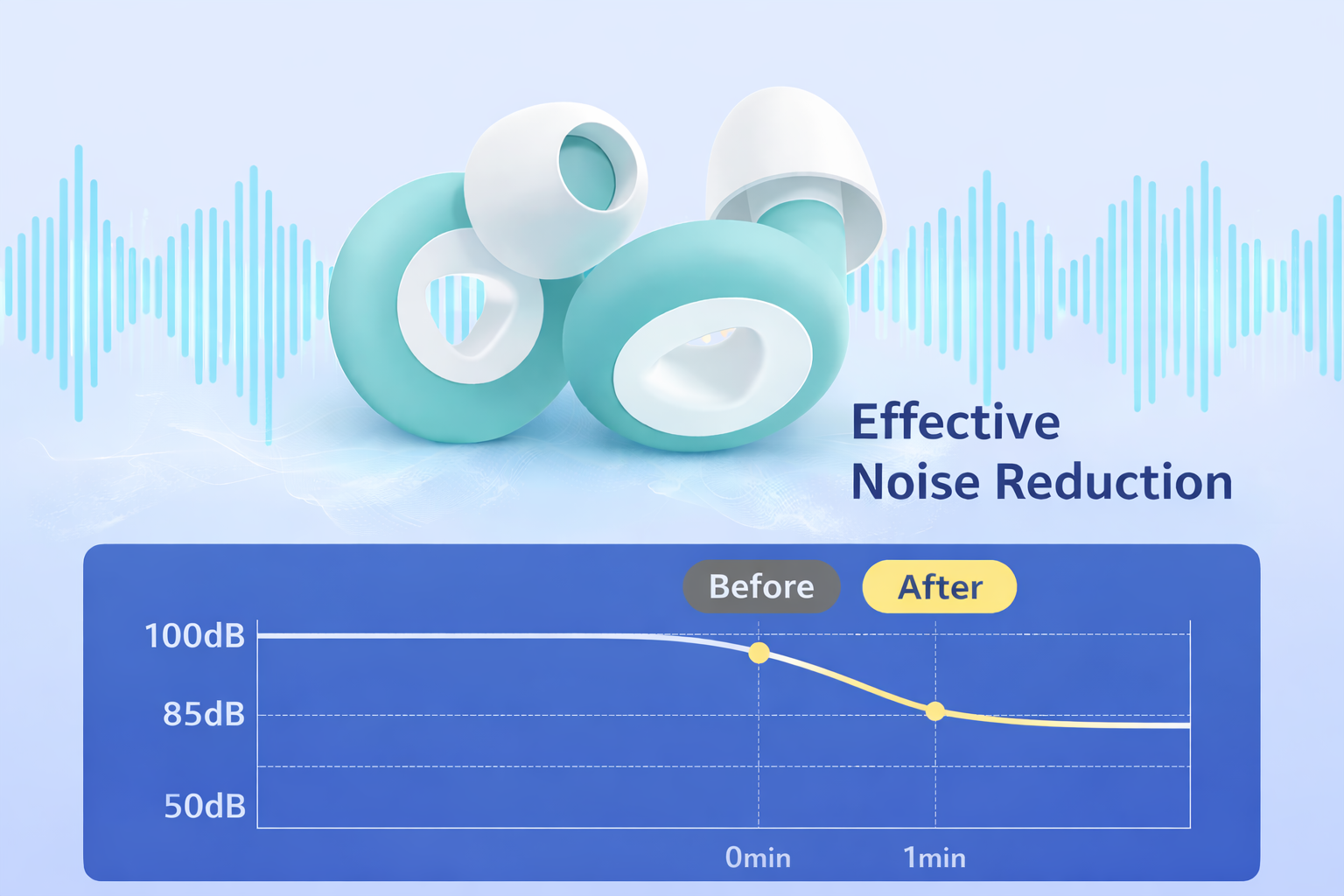
The National Institute on Deafness and Other Communication Disorders says most hearing protectors carry a Noise Reduction Rating, and in general a higher NRR means more sound is blocked if the device is worn correctly. That matters because it tells you the number is not meaningless.
But the same source also says hearing protectors do not block all sound. So even a strong-looking rating is not a promise of silence.
NIOSH adds the other part people miss. Their hearing-protection guidance says the rating on packaging comes from laboratory testing, and separate NIOSH material says the labeled rating does not accurately predict the exact result one person gets in the real world. Fit changes that outcome a lot.
That is why the number can help you compare products at a glance without telling you everything you actually need to know for sleep. It cannot tell you how the pair will feel against a pillow, how well it matches your ear shape, or whether you will still want it in after six hours.
Why the Highest Rating Is Not Automatically the Best for Sleep
The quickest mistake here is treating sleep earplugs like a contest for the biggest number.
NIOSH says people should aim for enough noise reduction rather than automatically maximizing it, and it warns that overprotection can be counterproductive in some settings. That guidance is written for occupational hearing protection, not for bedtime. Still, the buying principle carries over well: more reduction is only useful if it still fits your real situation.
For sleep, that usually means asking a calmer question. Not "What is the strongest-looking pair?" but "What reduces enough of my nighttime noise without feeling too intrusive to wear?"
If your current pair feels bulky, too tight, or too obvious once you lie down, the stronger-looking label may not matter much. A pair that stays comfortable and consistent usually does more for sleep than one you keep taking out.
There is another practical tradeoff too. Some people also want a reasonable chance of noticing an alarm or other important sound. That does not mean you should avoid stronger earplugs by default. It just means "more" is not the same as "better" for every sleeper.
What Usually Matters More Than the Rating Alone
Once the rating gets you into the right general area, the rest of the decision becomes more physical.
| What to compare | Why it matters at night | What to look for |
|---|---|---|
| Fit | A poor fit can reduce less noise than the label suggests | Earplugs that sit securely without feeling forced |
| Comfort for long wear | Sleep is an hours-long test, not a quick one | Soft material and a lower-pressure feel |
| Size options | Ear shapes vary, so one default size is a weak bet | Multiple included tips or fit choices |
| Sleep position | Side sleepers often notice pressure before they notice the spec sheet | A shape that does not fight the pillow |
| Real expectations | No earplug blocks all sound or guarantees alarm awareness | Useful reduction and a setup you can test |
Fit is the first place to look because it changes everything. NIOSH notes that some earplugs come in different sizes and that ear shape can affect fit. That helps explain why one person gets a calm result from a pair while another person gets pressure, slippage, or weaker-than-expected reduction.
Comfort matters just as much because sleep is repetitive. The best sleep earplugs are not the ones that seem impressive for five minutes. They are the ones you stop thinking about after the lights go out.
If you sleep on your side, this gets even more obvious. Pressure against the pillow can make a stronger-looking earplug feel worse than a softer, lower-profile pair. If that is your main issue, the better next read is best earplugs for side sleepers.
How to Choose for Your Actual Nighttime Problem
If the Room Is Mildly Noisy
If your problem is general apartment noise, light traffic, hallway sound, or a room that just never feels fully quiet, comfort and consistency may matter more than squeezing every last point out of the label.
A pair you can actually wear all night is usually the better choice. If the room itself is part of the problem, this guide on how to sleep in a noisy apartment is the more complete next step.
If the Noise Is Heavier
If you are trying to soften louder street noise, stronger snoring, or travel noise, a stronger-rated pair can make sense. But the rating still is not the whole answer. The earplugs need to fit well enough to deliver that reduction and feel wearable for a full night.
This is where material and form factor start to matter more. If you are still comparing product types, foam vs silicone vs wax earplugs for sleep is the right comparison article.
If You Worry About Alarms
This is where you should resist the urge to make assumptions from the box alone.
Whether you still hear an alarm depends on the earplugs, the fit, the alarm volume, and where the device sits. Stronger-looking earplugs do not automatically mean you will miss it, and softer-looking earplugs do not automatically mean you will hear it. If that is the issue blocking your purchase, read can you hear your alarm with earplugs and test your real setup before relying on it.
How This Fits the Olyavril Catalog
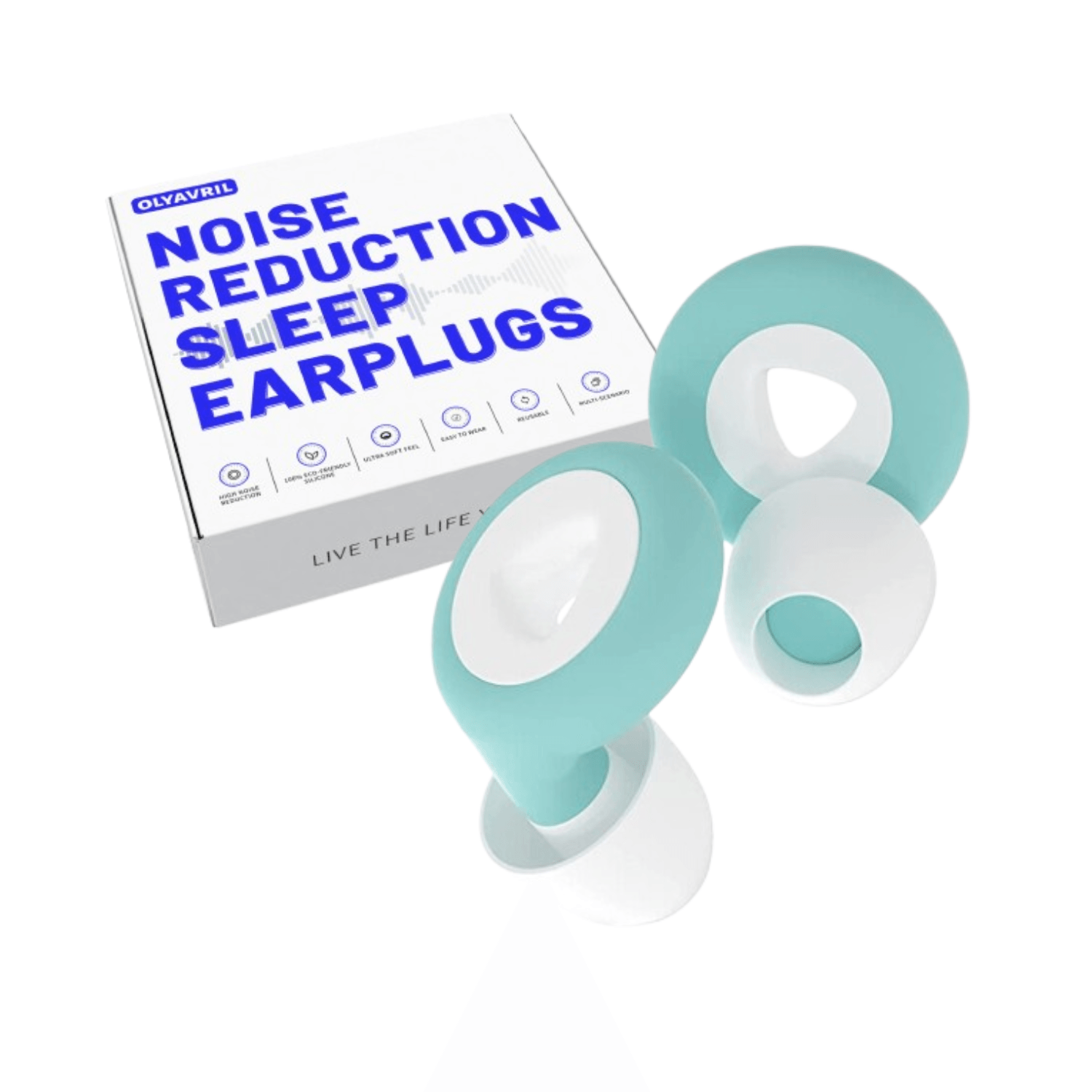
This topic fits Olyavril because the catalog already uses a rating claim people are likely to compare: up to 33 dB noise reduction. The repo's first-party product facts also emphasize soft silicone, a low-pressure feel, multiple filter sizes and ear tips, and a carrying case.
That mix matters because it keeps the buying decision grounded in more than one spec line. If you want to compare the full range first, start with the earplugs collection. If you want one concrete example, the Mist Green earplugs are the clearest product page. If you want the short brand explainer behind the fit-and-comfort angle, the Why It Works page covers it quickly.
Final Takeaway
The best noise reduction rating for sleep earplugs is usually the highest level that still feels comfortable, stable, and realistic for your room. That is a less dramatic answer than "pick the biggest number," but it is the one that holds up better in bed.
Use the rating to narrow the field. Then choose the pair you are most likely to wear well, wear consistently, and keep using after the first few nights.
FAQ
Is 33 dB too much for sleeping?
Not automatically. A stronger-looking rating can make sense in a louder environment. The better question is whether the earplugs still fit well, feel comfortable, and work with the rest of your sleep setup.
Does a higher noise reduction rating guarantee better sleep?
No. Higher numbers can help, but official guidance also says fit changes the real result and hearing protectors do not block all sound. Sleep comfort and consistency still matter.
Can you still hear an alarm with stronger sleep earplugs?
Maybe. It depends on the earplugs, the fit, the alarm volume, and where the device is placed. Do not rely on the number alone. Test your real setup first.
What matters if two earplugs claim a similar rating?
Compare the things that affect real-night use: fit, softness, size options, shape, and whether the pair still feels good when you lie down.