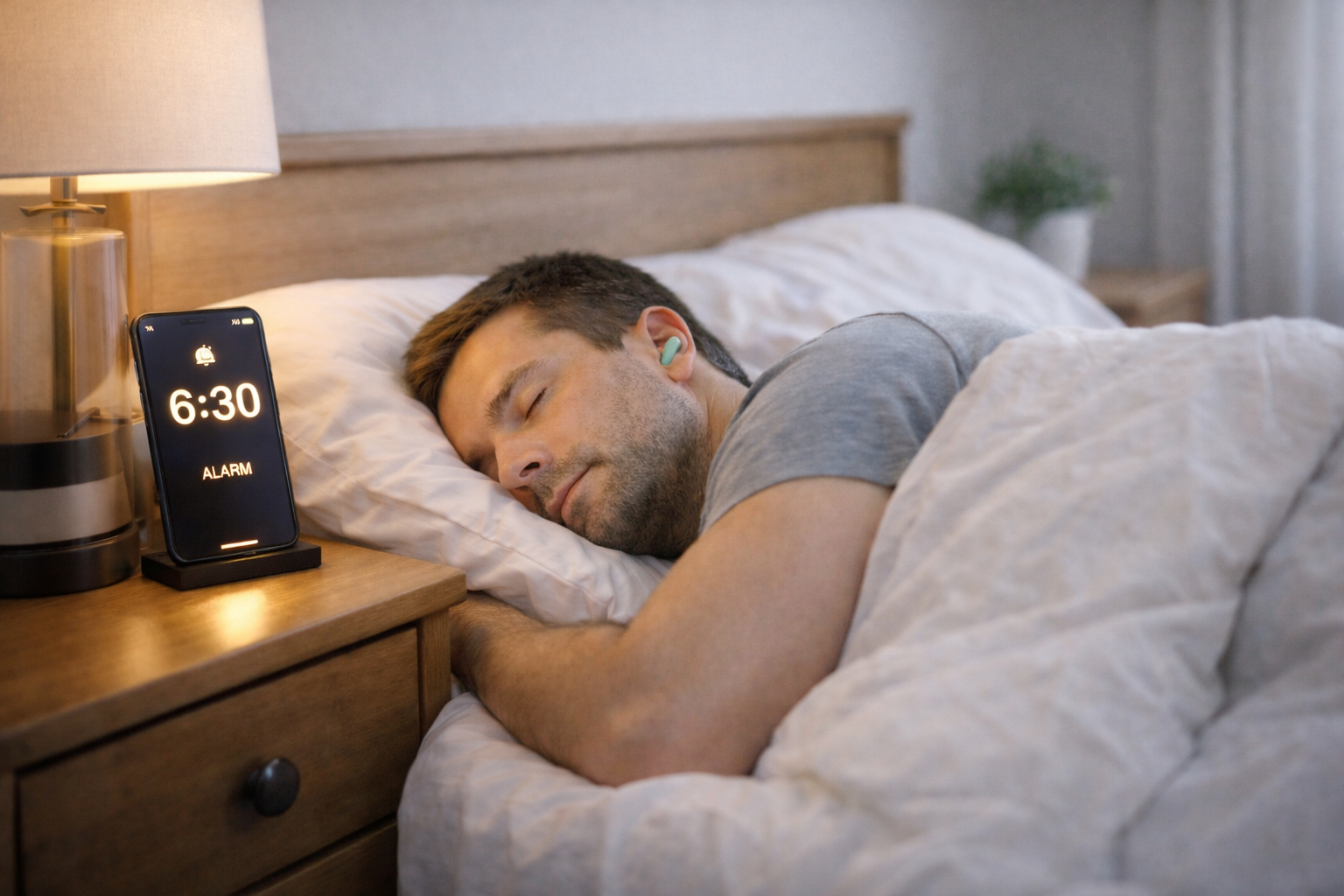
Yes, you can often hear your alarm with earplugs. But it is not the kind of thing you should just trust on faith.
The real answer depends on your setup: how much noise your earplugs reduce, how loudly your alarm plays, and where that alarm sits in relation to your bed. The safest approach is simple. Test your exact setup before you rely on it for a workday, an early flight, or any morning you cannot afford to get wrong.
Quick Answer
If your earplugs are made to reduce noise rather than create total silence, there is a good chance your alarm will still come through. What changes the answer is the fit, the material, the alarm volume, and where the device sits.
That is the part many people miss. Whether you hear your alarm is not just about the earplugs. It also comes down to your normal setup. A phone on the nightstand with a loud alarm is one situation. A phone on a desk across the room with a softer tone is another. Those can lead to very different results.
If you want the short version, use this rule:
- Assume "maybe," not "definitely"
- Test the exact earplugs you plan to sleep in
- Test the exact alarm sound and volume you actually use
- Change the setup before an important morning, not after
What Usually Changes Whether You Hear It
The biggest variable is not just the earplugs themselves. It is the whole setup.
| What affects the result | Why it matters |
|---|---|
| Earplug fit | A tighter, stronger-feeling fit may reduce more outside noise |
| Earplug material and design | Some earplugs feel gentler and easier to wear, while others feel more sealing |
| Alarm volume | A louder alarm is easier to notice through reduced background sound |
| Alarm placement | A phone next to the bed is not the same as one across the room |
| Your own routine | One alarm, backup alarms, and sleep depth all change the real outcome |
That is why broad promises are not very useful here. Two people can buy the same pair and still get different results because their bedrooms and habits are different.
What Earplugs Can Realistically Do
Good sleep earplugs are meant to lower the noise around you, not erase every sound in the room.
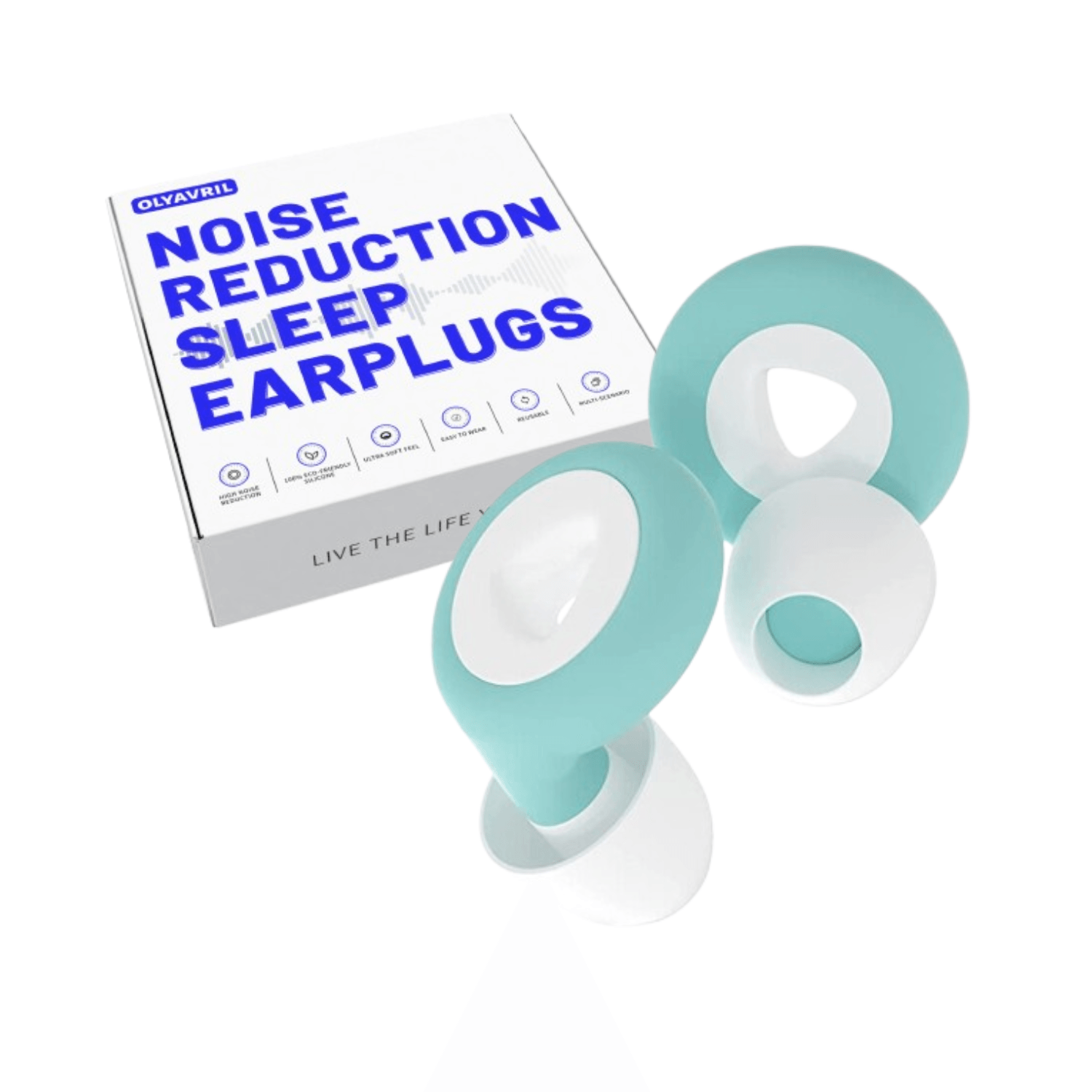
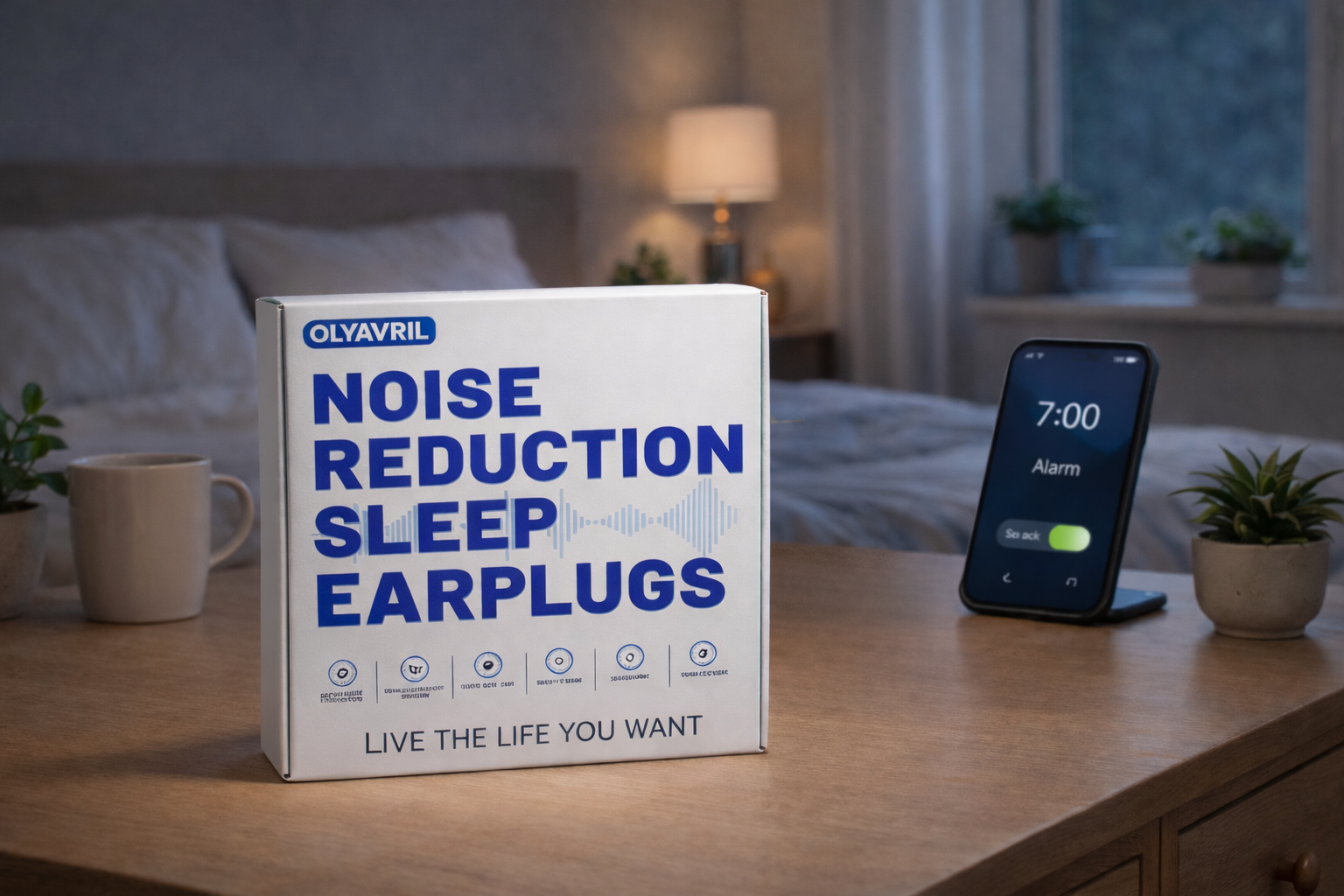
That is the more useful way to think about them, especially if you are worried about your alarm. Olyavril describes its earplugs as soft noise-reduction earplugs for sleep, focus, travel, and everyday wear. The Why It Works page keeps that promise realistic too. The aim is to soften unwanted noise so sleep feels easier, not to shut out the world completely.
That is also why the alarm question does not have one universal answer. If your earplugs reduce noise without blocking everything, your alarm may still be easy enough to hear. If you expect total silence, you are more likely to trust the wrong setup.
Two Common Setups That Feel Very Different
Sometimes the easiest way to judge this question is to picture the real bedroom.
Phone on the Nightstand
This is usually the easier setup to live with. If the phone is close to your head and the alarm is loud enough, many people will still notice it through sleep earplugs. That does not make it guaranteed, but it does give you a little more margin.
Phone Across the Room
This setup can still be useful, especially if you want to force yourself out of bed. It is also the one you should test more carefully. The more distance you add, the less room you have for guessing.
How To Test Your Setup Before You Trust It Overnight
This does not need to be complicated. You just want one honest rehearsal.
1. Use the Earplugs You Actually Plan To Sleep In
Do not test with one pair, then sleep in another. If you are still comparing materials, this guide to foam vs silicone vs wax earplugs for sleep is the useful next step.
2. Keep the Alarm at Its Normal Volume and Place
If your phone normally sits on the nightstand, test it there. If you keep it farther away, test that instead. A fake test with a louder volume or a closer placement will not tell you much.
3. Run a Short Trial Before the First Important Morning
You can do this before bed, with a short timer during a nap, or any other low-risk moment. The point is not to build a lab experiment. You just want to know whether your normal routine feels dependable enough.
4. Adjust Before You Need It
If the alarm feels too faint, change something simple first:
- Raise the alarm volume
- Move the device closer
- Use a sound that is harder for you to ignore
- Add a backup alarm if the morning really matters
- Recheck the earplug fit if it feels deeper or tighter than you want
That last point matters because the best sleep setup is not always the one with the strongest feel. It is the one you can keep using without turning bedtime into a small project every night.
What Kind of Earplugs Make This Easier
If you are trying to sleep better and still wake up on time, comfort matters more than people expect.
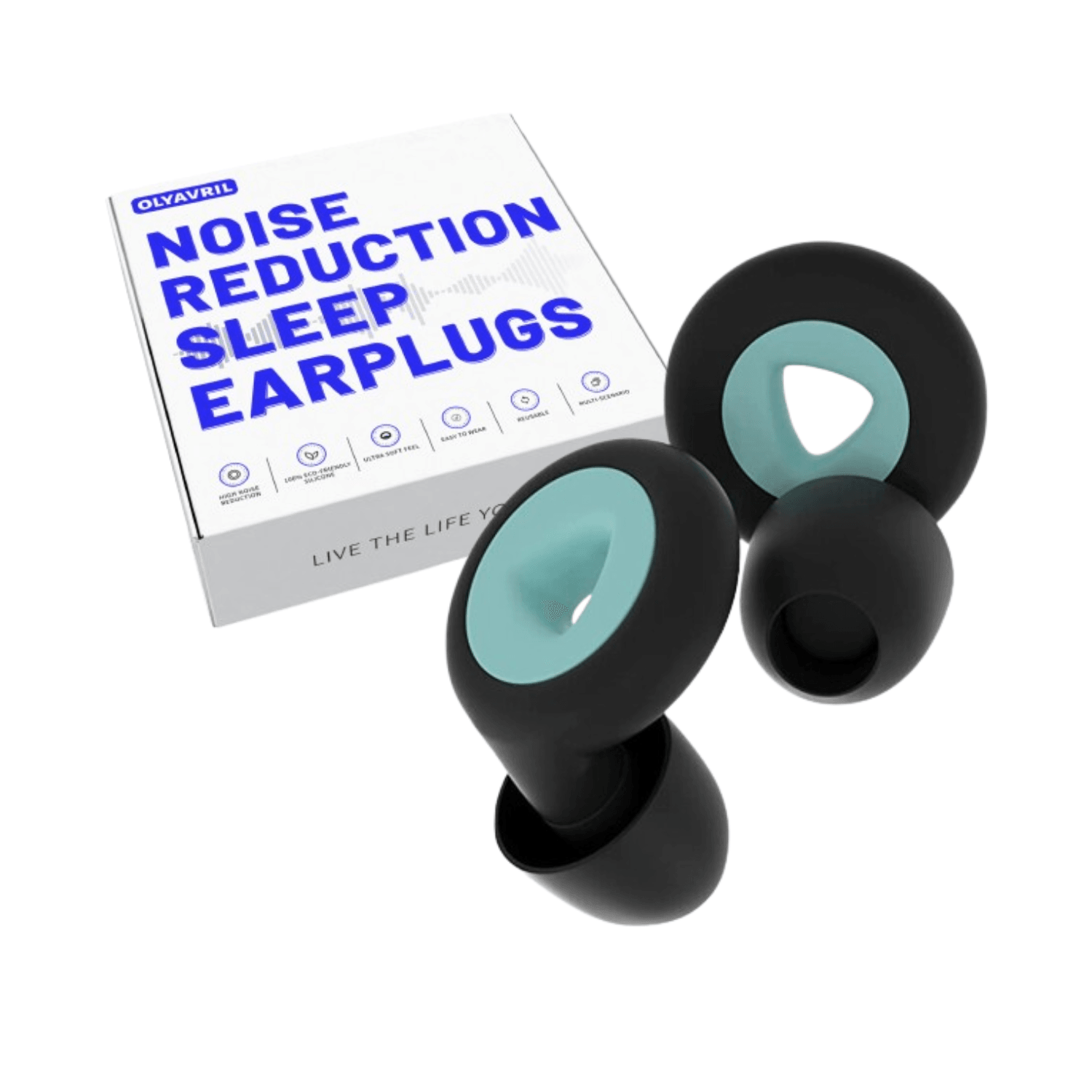
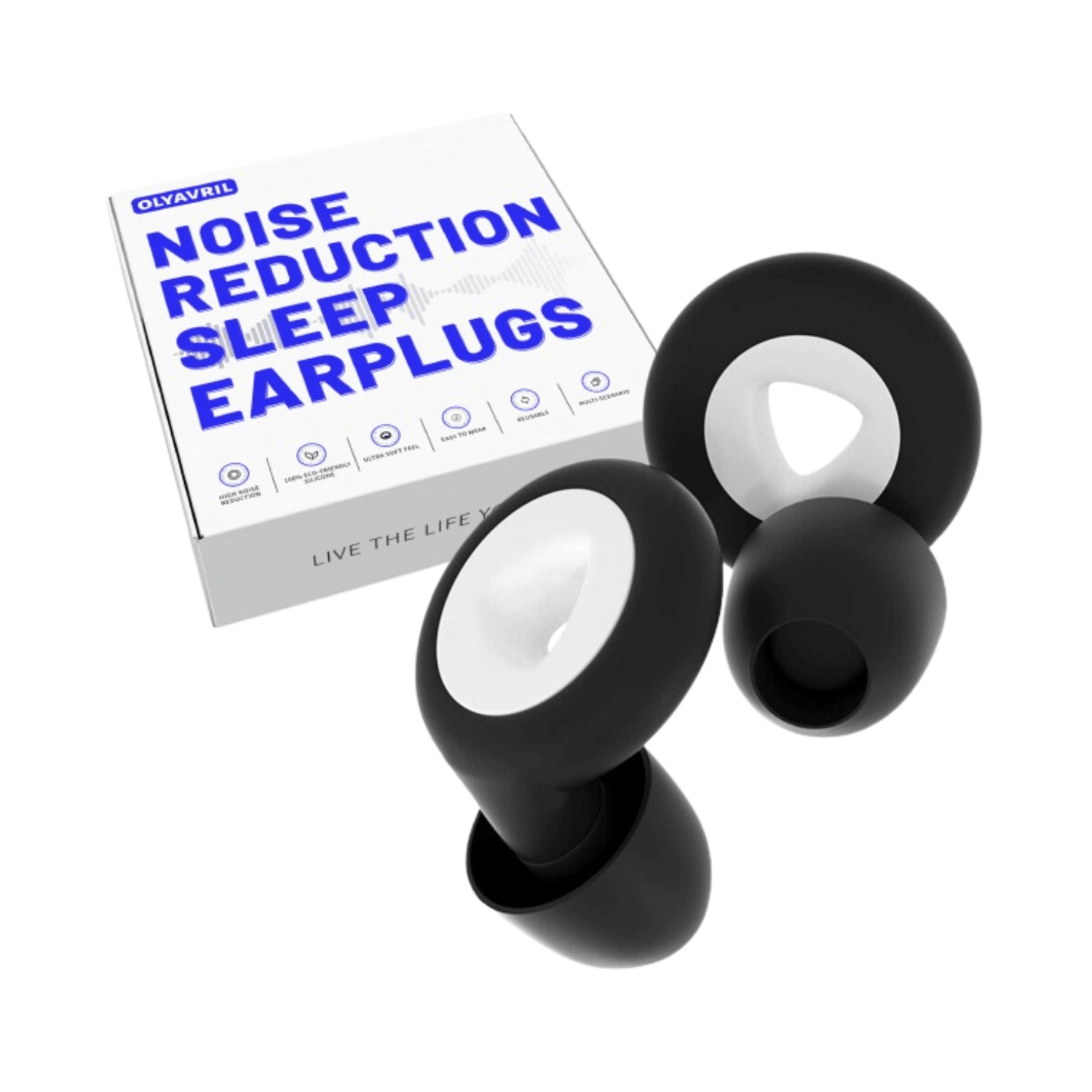
An earplug that feels too firm, too intrusive, or too annoying against the pillow may not stay in your routine long enough to help at all. That is one reason reusable earplugs with fit options can make sense for regular use. Olyavril's current product details point to ultra-soft silicone, a low-pressure feel, and included filter sizes and ear tips. That gives you a little more room to find a setup that feels workable night after night.
If you want to compare the full range first, start with the earplugs collection. If you want one concrete product page, the Mist Green earplugs are the clearest example. If your real problem is overnight comfort on a pillow, this guide on best earplugs for side sleepers is the best follow-up.
What To Avoid If You Are Worried About Oversleeping
Most mistakes here are pretty simple:
- Trusting a generic yes-or-no answer without testing your setup
- Changing both earplugs and alarm placement on an important morning
- Buying only for maximum blocking without thinking about comfort or routine
- Expecting earplugs to create perfect silence and still guarantee every alarm
The better goal is a quieter night that still works in real life.
A Practical Middle Ground
For many people, the answer is not choosing between "hear everything" and "hear nothing." It is building a setup that takes the edge off nighttime noise while still getting you up in the morning.
That might mean reusable earplugs, one reliable alarm close to the bed, and a quick test before you rely on the setup fully. If outside noise is the bigger sleep problem, this guide on how to sleep in a noisy apartment is the next useful read.
Final Takeaway
Yes, you can often hear your alarm with earplugs. Just do not assume that answer applies to every pair, every phone, and every bedroom.
The practical move is to test your real setup before you depend on it. If you are still choosing a pair, look for earplugs that reduce noise without making comfort an afterthought. That is usually a better starting point than chasing the biggest claim on the box.
FAQ
Will I still hear my iPhone alarm with earplugs?
Often, yes, but it depends on your earplugs, your alarm volume, and where the phone is placed. Test your exact setup before relying on it overnight.
Can earplugs make you miss your alarm?
They can if your setup reduces enough sound and the alarm is not easy enough for you to notice. That is why a short real-world test matters.
How can I sleep with earplugs without oversleeping?
Use the exact earplugs you plan to sleep in, keep your alarm at its normal volume and placement, and test the setup before an important morning.
Are reusable earplugs better than foam if I still want to hear my alarm?
Not automatically. The better choice is the one that gives you a comfortable, repeatable setup you can actually test and keep using. If you are still comparing options, material and fit matter as much as raw reduction.