If you are trying to sleep in a noisy apartment, the answer is usually not one dramatic fix. It is a few smaller changes that make the room feel less sharp at night.
For most people, that means three things: comfortable earplugs, a steady masking sound like white noise, and a bedroom setup that gives sudden noise less chance to pull you fully awake.
Quick Answer
The most practical way to sleep in a noisy apartment is to reduce noise at the ear, soften the room, and stop expecting perfect silence.
Soft earplugs can help with hallway voices, doors, footsteps, traffic, and general building noise, especially if they are comfortable enough to wear for a full night. White noise can help by making sudden sounds feel less dramatic. Small room changes, like moving the bed away from a shared wall or making the room less bare, can help too.
If you want the short version, start here:
- Use earplugs you can actually wear all night
- Add white noise or another steady background sound
- Move the bed away from the main noise source if you can
- Make the room feel less echoey
- Expect useful reduction, not total silence
Noisy Apartment Sleep Fixes at a Glance
| What to try | Why it helps | Main tradeoff |
|---|---|---|
| Soft sleep earplugs | Reduces noise at the ear before it wakes you fully | Needs a comfortable fit for overnight wear |
| White noise | Makes sudden sounds feel less separate | Adds another sound to the room |
| Bed placement changes | Creates more distance from the worst noise path | Not always possible in a small room |
| Softer room surfaces | Takes some hardness out of the room's sound | Usually a modest improvement, not a full fix |
| Routine changes | Helps you settle before the next interruption | Works best when combined with the other steps |
Why Apartment Noise Feels So Hard to Sleep Through
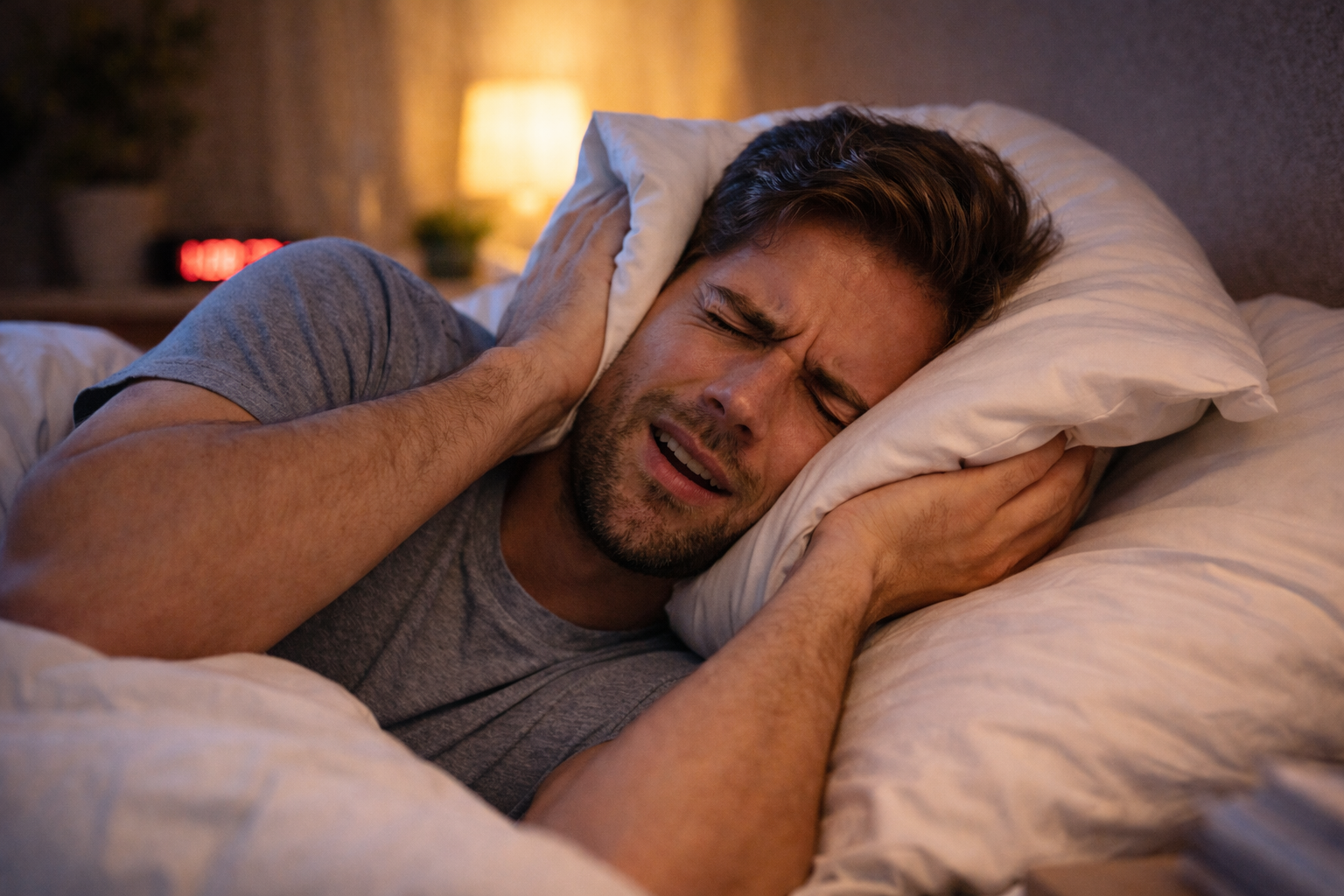
Apartment noise is rarely one clean, steady sound. It is usually a mix of doors, footsteps, voices, plumbing, traffic, and the random little noises that happen when other people are still awake.
A steady hum can fade into the background. A hallway door that slams once, then not again for twenty minutes, is harder to ignore. Your brain keeps waiting for the next sound.
That is why the real goal is not just blocking volume. It is making the room feel less jumpy and less reactive.
What to Try First Tonight
If you want something practical, start with the changes that usually help fastest.
1. Reduce the Noise at the Ear
Earplugs are often the most direct fix because they work where the noise reaches you.
For apartment noise, comfort matters as much as raw reduction. If the pair feels too firm, too intrusive, or too noticeable against the pillow, you will keep adjusting it instead of sleeping. That is one reason soft reusable earplugs make sense for many light sleepers. They are easier to keep in a normal routine than a pair that feels like an emergency backup.
If side sleeping makes earplugs hard to tolerate, this guide on best earplugs for side sleepers is the best next read.
2. Add a Steady Sound
White noise, a fan, or another gentle background sound can help because it gives the room a more stable baseline. The goal is not to drown everything out. It is to make sudden apartment sounds feel less sharp and less separate.
This usually works best at a moderate level. Too loud and it becomes its own problem.
3. Change the Easy Room Variables
You do not need to redesign the apartment. Small changes are enough to test.
- Move the bed away from the shared wall if possible
- Put more fabric in the room if it feels bare and echoey
- Close the gap under the door if hallway noise leaks in there
- Sleep on the quieter side of the bed if one side is farther from the noise source
None of these changes are dramatic on their own. Together, they can make the room feel less exposed.
Match the Fix to the Noise
This is the part many people skip. "Apartment noise" sounds like one problem, but it usually is not.
Hallway doors, voices, and late-night movement
This is usually the most annoying kind because it is irregular. You start drifting off, then a door shuts or someone talks outside, and your brain is back on alert.
If this is your main issue, start with earplugs first and white noise second. Room changes help, but they usually will not do enough on their own when the noise is right outside the bedroom.
Upstairs footsteps or furniture movement
This kind of noise can feel heavier and more physical. It is less about sharp voices and more about repeated thumps or dragging sounds.
Earplugs can still help, but they usually work best when you also make the room feel softer overall. If your bed is against a wall that seems to carry vibration or noise, moving it is worth trying before you buy anything else.
Street noise and early traffic
Street noise is often more steady than neighbor noise. That means white noise or a fan can do more here than people expect.
If the problem is buses, scooters, bins, or early delivery noise, try a steady background sound plus earplugs before you start changing the whole bedroom around.
Pipes, heating sounds, and building noise
This is where people often waste energy looking for the perfect product. Sometimes the sound is not especially loud. It is just weirdly specific, and once you notice it, you keep waiting for it.
For that kind of noise, routine matters more than people think. Earplugs can help, but so can a more stable sound in the room and a bedtime setup you repeat before the irritation builds.
What to Look for in Earplugs for Apartment Noise
If apartment noise is a regular problem, the right earplugs are usually the pair you can keep using night after night.
That usually means looking for:
- Soft material
- A low-pressure feel
- More than one fit option
- A reusable design if you expect to use them often
- Realistic positioning around noise reduction
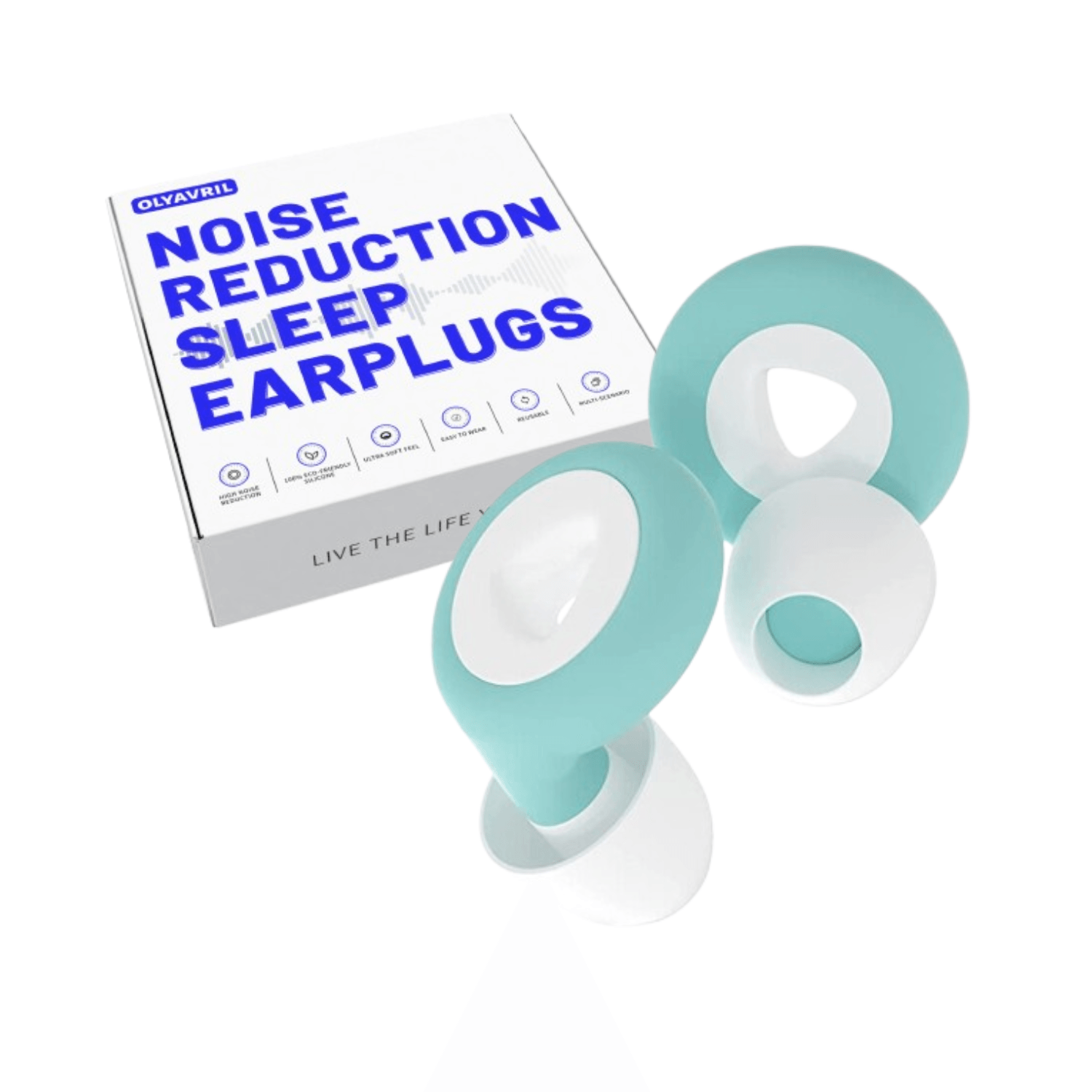
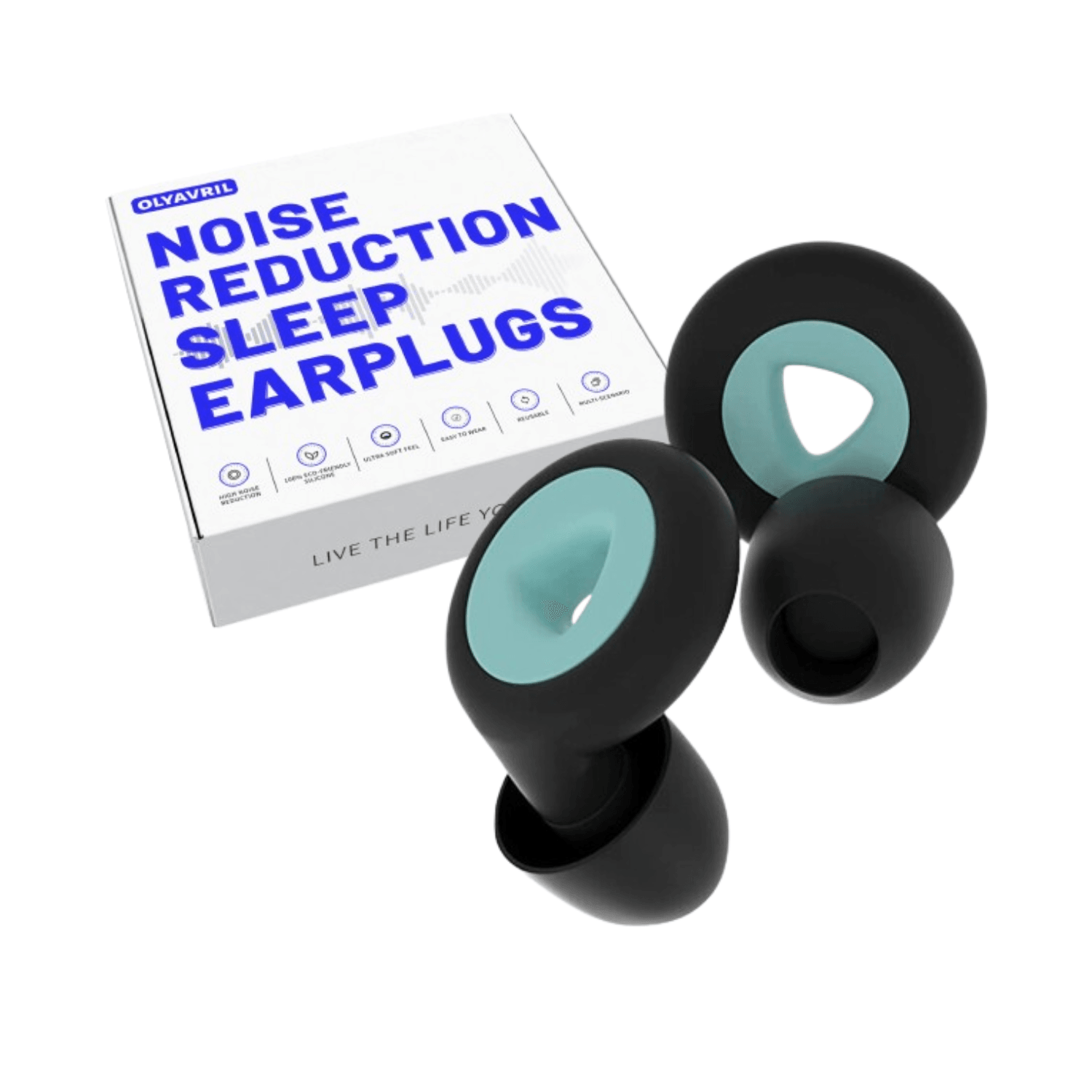
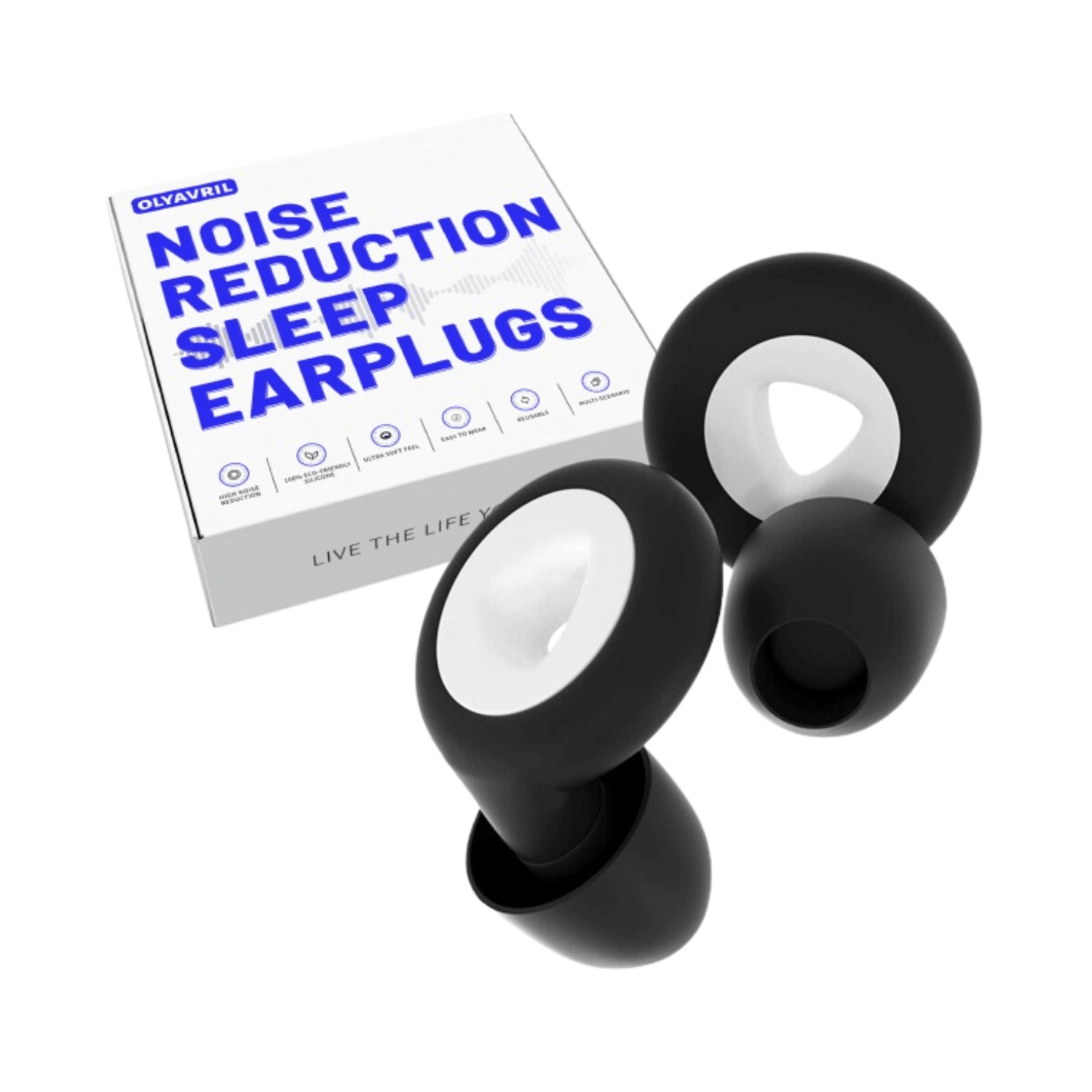
That is where the Olyavril catalog fits this topic well. The current product data is built around ultra-soft silicone, up to 33dB noise reduction, three filter sizes and ear tips, and a carry case. Those details matter because they point toward comfort and repeat use, not just a bigger-looking number on a box.
If you want to browse the full line, start with the earplugs collection. If you want one specific example, the Mist Green earplugs are the clearest product page. If you want the short explanation behind the comfort angle, the Why It Works page lays it out simply.
If you are still deciding between materials, this comparison of foam vs silicone vs wax earplugs for sleep is the useful follow-up.
What Usually Does Not Work Very Well
Some approaches sound reasonable but tend to fall apart in real life:
- Waiting until you are already angry at the noise before doing anything
- Buying the strongest-looking earplugs without thinking about comfort
- Assuming one noisy night means you need a completely different apartment
- Expecting a product to create perfect silence
- Treating bedtime setup like an emergency instead of a routine
There are a few especially common dead ends here.
- Sleeping with the room totally bare and hoping earplugs will do all the work
- Turning white noise up so high that it becomes the new thing keeping you awake
- Testing earplugs for two minutes upright, then assuming they will feel the same on the pillow
The better approach is plainer than people want it to be. Set up the room. Put the earplugs in before you are fully annoyed. Then let the routine carry some of the load.
A Better Way to Think About Progress
If the room feels even a little less reactive, that counts.
Maybe the hallway still exists, but it does not snap you awake the same way. Maybe the upstairs noise still happens, but it fades faster. Maybe traffic is still there, but it stops feeling like the center of the room.
That is often the real win with apartment noise. Not silence. Just fewer sharp edges.
Final Takeaway
If you are trying to sleep in a noisy apartment, start with the things that usually change the night fastest: a comfortable pair of earplugs, a steady masking sound, and a few small room adjustments.
For many people, the earplug question comes down to comfort more than anything else. If the pair feels gentle enough to wear for hours and practical enough to keep by the bed every night, you are much more likely to stick with it.
FAQ
Do earplugs help with noisy neighbors at night?
Yes, they can help by reducing how sharply neighbor noise reaches you. The most useful pair is usually the one you can wear comfortably for the whole night.
What is the best way to block apartment noise when sleeping?
The best approach is usually a combination: earplugs, a steady masking sound, and small room changes that reduce how exposed your bed feels to the main noise source.
Should I use white noise and earplugs together?
Often, yes. Earplugs reduce what reaches your ears, while white noise can make sudden sounds feel less abrupt.
What kind of earplugs are best for sleeping in an apartment?
Soft, sleep-friendly earplugs with a comfortable fit are usually the best place to start. For regular use, reusable earplugs with fit options often make more sense than a harsher pair you stop wearing.