If you sleep on your side, the best earplugs are usually the ones you stop noticing the fastest.
That sounds almost too simple, but it is the point most people miss. Side sleepers do not just need earplugs that reduce noise. They need earplugs that still feel fine when one ear is pressed into a pillow for hours. A pair can look strong on paper and still feel wrong the moment your head hits the mattress.
That is why comfort, fit, and low pressure matter so much here. For many side sleepers, those things matter at least as much as the biggest dB number on the box.
Quick Answer
The best earplugs for side sleepers are soft, low-pressure earplugs with a shape that does not stick out too much and a fit you can wear all night. Reusable earplugs with multiple included sizes are often the best place to start because they give you a better chance of finding a comfortable fit.
If you want the short version, look for:
- Soft material
- A lower-profile shape
- More than one size option
- Long-wear comfort
- Realistic noise reduction, not promises of perfect silence
Best Earplugs for Side Sleepers at a Glance
| What to look for | Why it matters for side sleepers |
|---|---|
| Soft material | Reduces pressure when your ear is against the pillow |
| Low-pressure fit | Helps the earplugs stay comfortable for longer wear |
| Multiple sizes | Makes it easier to avoid a fit that feels too loose or too tight |
| Lower-profile shape | Keeps the earplugs from pressing outward into the pillow |
| Reusable design | Better for nightly use if the pair is comfortable enough to keep wearing |
If you want to compare what is available in this catalog, start with the full Olyavril earplugs collection.
Why Side Sleepers Need Different Earplugs
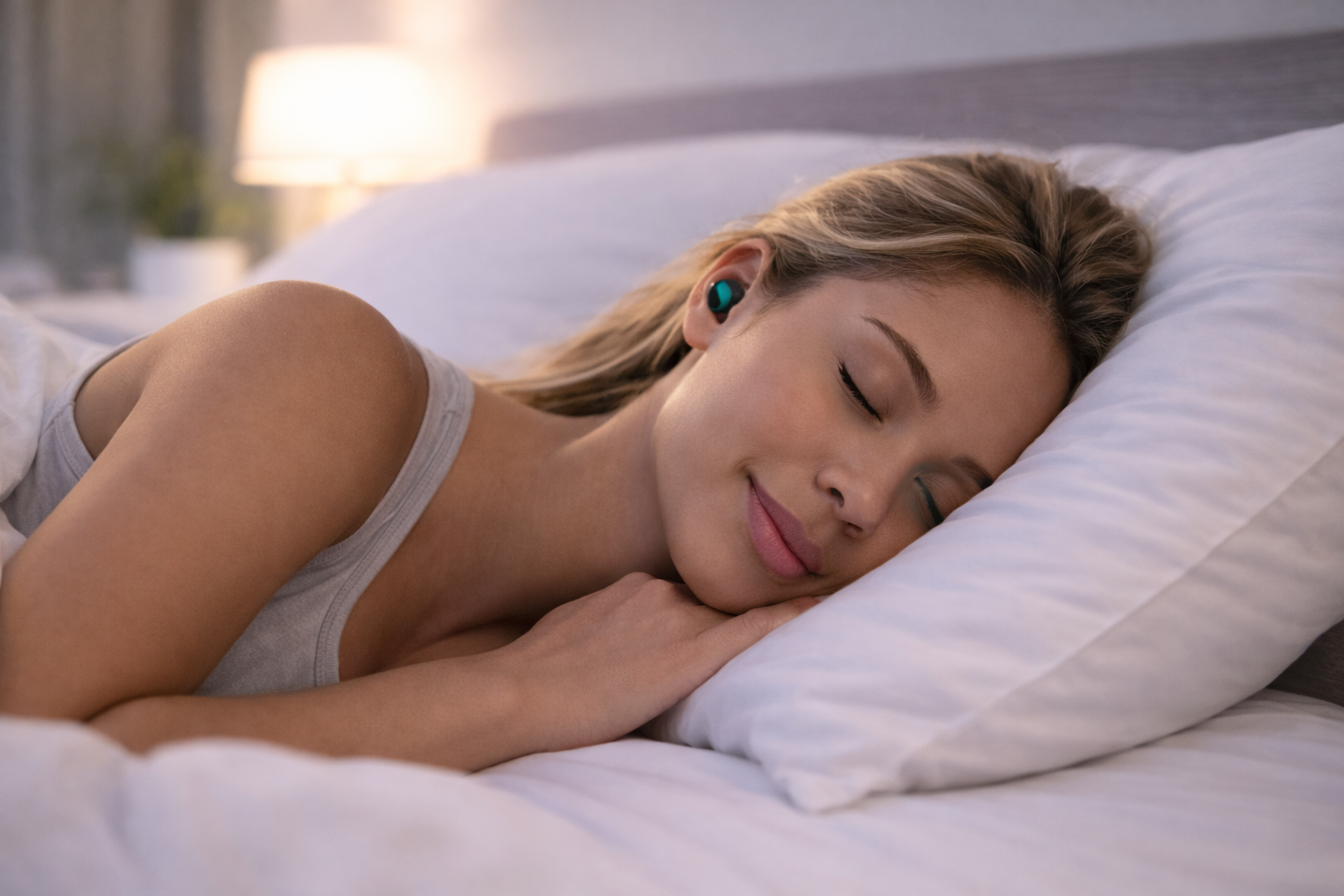
When you sleep on your back, your outer ear is under much less pressure. Side sleeping changes that right away. Your ear presses into the pillow, and that makes shape, softness, and fit much more noticeable.
This is why some earplugs feel acceptable during the day but annoying in bed. The issue is not always noise reduction. Sometimes it is simple pressure. If the earplug feels too firm, too large, or like it sits too far out from the ear, you will notice it over and over again.
For side sleepers, the wrong pair often leads to the same problems:
- Pressure on the outer ear
- A poking feeling against the pillow
- Soreness after an hour or two
- Repeated adjustments that make sleep harder, not easier
- A pair you stop using even though it looked good when you bought it
That is why the best buying filter is not "Which one blocks the most?" It is usually "Which one will still feel reasonable at 2 a.m.?"
What to Look for First
If you are comparing different earplugs for sleep, these are the features worth putting at the top of the list.
1. Soft Material
Softness matters because side sleepers deal with direct pressure for long stretches of time. A softer material usually feels gentler and creates less awareness once your ear is against the pillow.
That does not mean every soft earplug will work for every person. It just means that for side sleeping, rigid or harsh-feeling materials are more likely to become a problem.
2. Low-Pressure Fit
You still want the earplugs to stay in place, but you do not want them pushing back too hard once your head is resting sideways. A lower-pressure fit tends to feel easier to live with through the night.
This matters more than people expect. A pair can feel secure while you are upright and still feel too intense once you lie down.
3. More Than One Size Option
One-size-fits-all is often where things go wrong. Ears vary. A fit that feels easy for one person can feel too loose or too intrusive for someone else.
Multiple sizes are useful because they give you a better chance of finding a fit that feels secure without feeling pushy. For overnight wear, that tradeoff matters a lot.
4. A Lower-Profile Shape
Some earplugs feel uncomfortable for a very simple reason: they sit too far out from the ear. Side sleepers notice that immediately because the pillow presses right against that shape.
A lower-profile feel is usually easier to sleep with and easier to forget once you settle in.
5. Realistic Noise Reduction
Good earplugs should help the room feel calmer. That might mean snoring feels less sharp, hallway noise feels less immediate, or early traffic feels less disruptive. That is different from total silence, and it is a better way to think about what good sleep earplugs actually do.
Why Comfort Usually Matters More Than Maximum Blocking
This is where plenty of people waste time and money. It is easy to assume the strongest-looking option is the best option. In real life, the pair that works best is often the pair that balances useful noise reduction with a gentler feel.
Think about what happens at bedtime. If you lie on one side and keep noticing the earplug itself, your attention shifts from room noise to pressure in your ear. That is not much of an upgrade. The better outcome is when the noise feels softer and the earplugs fade into the background.
That is what most people actually want. Not a dramatic promise. Just a quieter, easier sleep setup they can stick with.
The Most Common Problems Side Sleepers Are Trying to Solve
The phrase "best earplugs for side sleepers" can mean a few different things. The right pair depends a little on what kind of noise is bothering you.
Sleeping Next to a Snoring Partner
Snoring is hard to ignore because it is irregular. It changes in rhythm and volume, which makes it feel more disruptive than steady background sound. Earplugs can help take the edge off that kind of noise, especially if the pair is comfortable enough to wear consistently.
If snoring is the main reason you are searching, this related guide on how to sleep next to a snoring partner without losing rest is the best next read.
Apartment Noise, Hallway Noise, or Street Noise
Some people are not dealing with one loud problem. They are dealing with a lot of smaller interruptions: doors, pipes, neighbors, early traffic, or movement in the house. In those cases, the best earplugs are often the ones that soften the edge of the environment without becoming distracting themselves.
General Light Sleeping
If you are easy to wake up, you may not need the strongest possible blocking. You may just need the room to feel a little less sharp and a little less fragile. That is another reason comfort matters so much. The right pair should feel like support, not like another thing to manage.
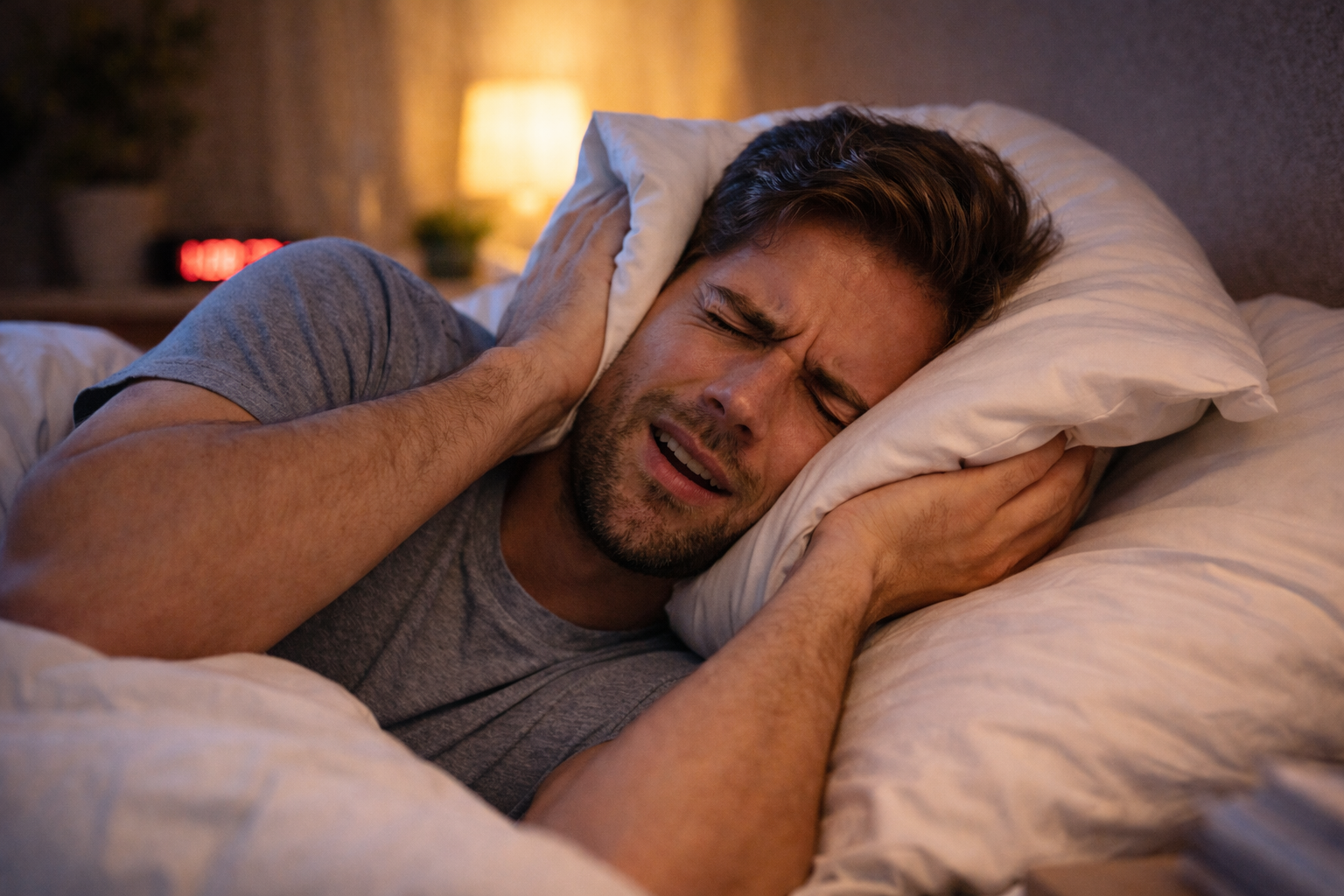
What Usually Goes Wrong
Most side sleepers run into the same few issues:
- Earplugs that feel too hard after a while
- Shapes that sit too far out from the ear
- One-size-fits-all designs that never feel quite right
- Products that sound technical but ignore long-wear comfort
- A fit that seems fine at first and irritating later
The simplest test is still a useful one: if you imagine wearing them for six or seven hours on one side, does that sound realistic? If not, they are probably not the right pair for sleep.
Reusable vs Disposable for Side Sleepers
For many people, reusable earplugs are the more practical choice for sleep. They are easier to build into a nightly routine, easier to keep in one place, and usually make more sense if you expect to use them often.
Reusable earplugs also tend to work well for people who want one pair for more than bedtime. If you sometimes want earplugs for travel, focus, or noisy shared spaces, a reusable pair is often the better fit for everyday life.
That said, reusable is not automatically better. It still comes back to comfort. If the pair does not feel good enough to wear, it does not matter how practical it looks on paper.
A Practical Option in This Catalog
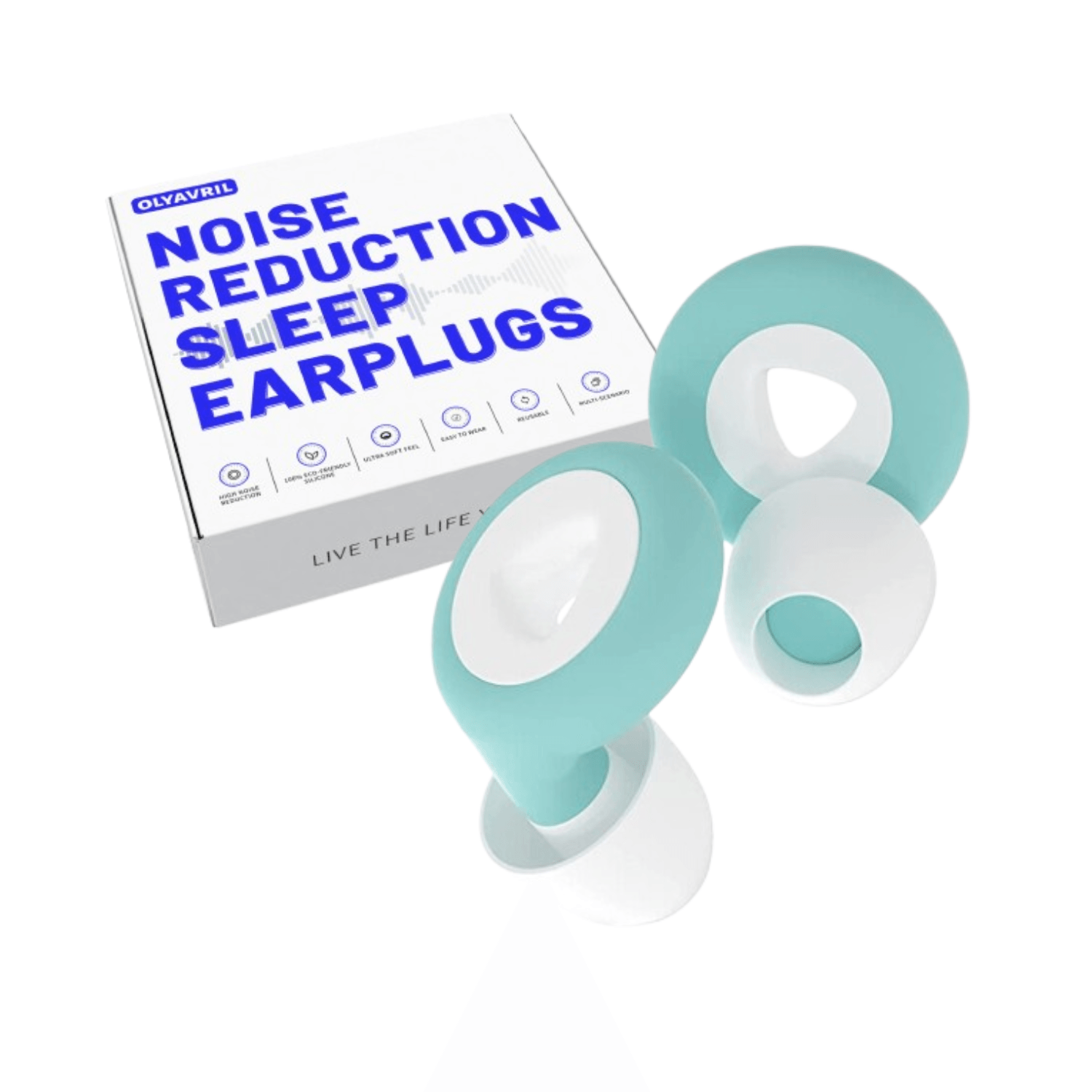
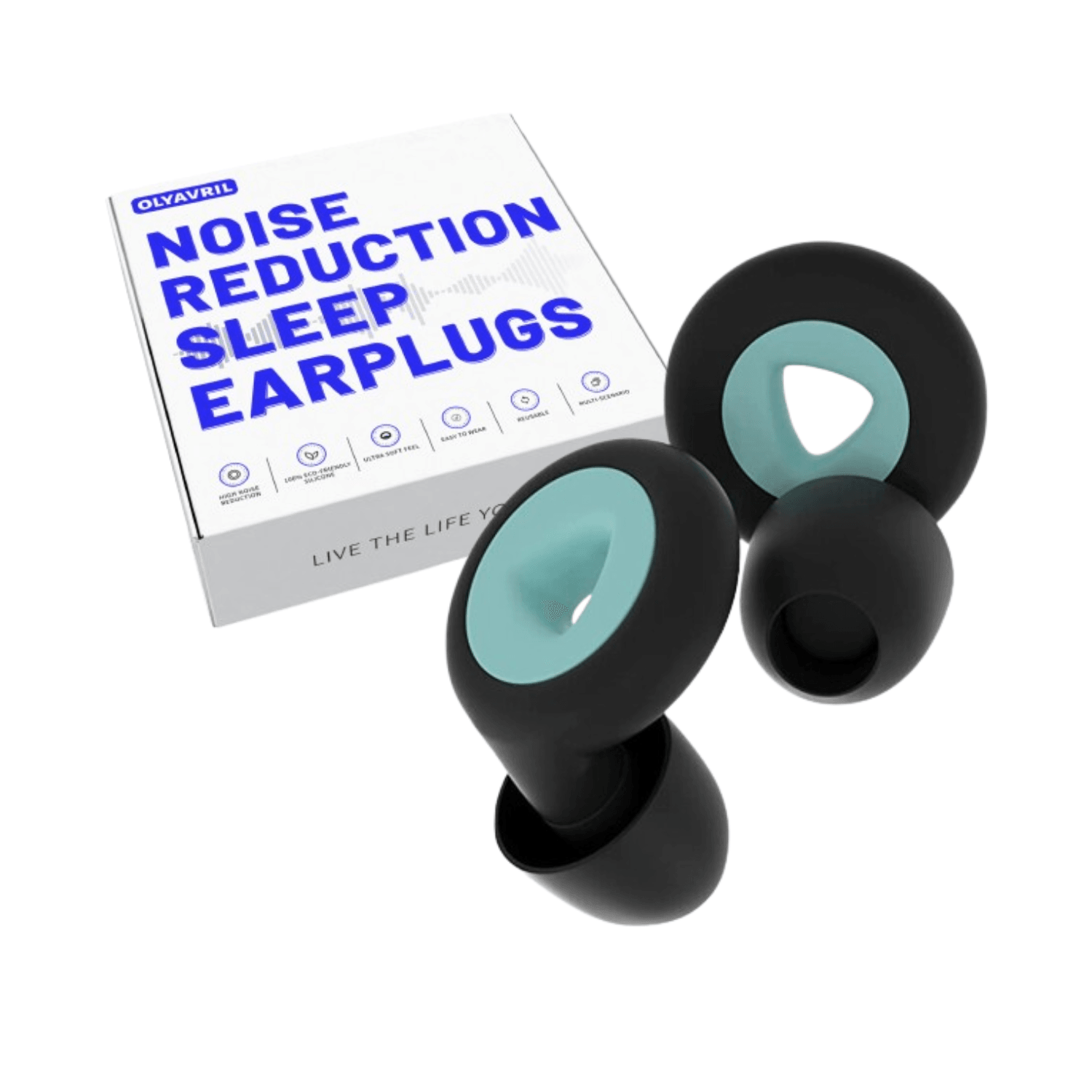
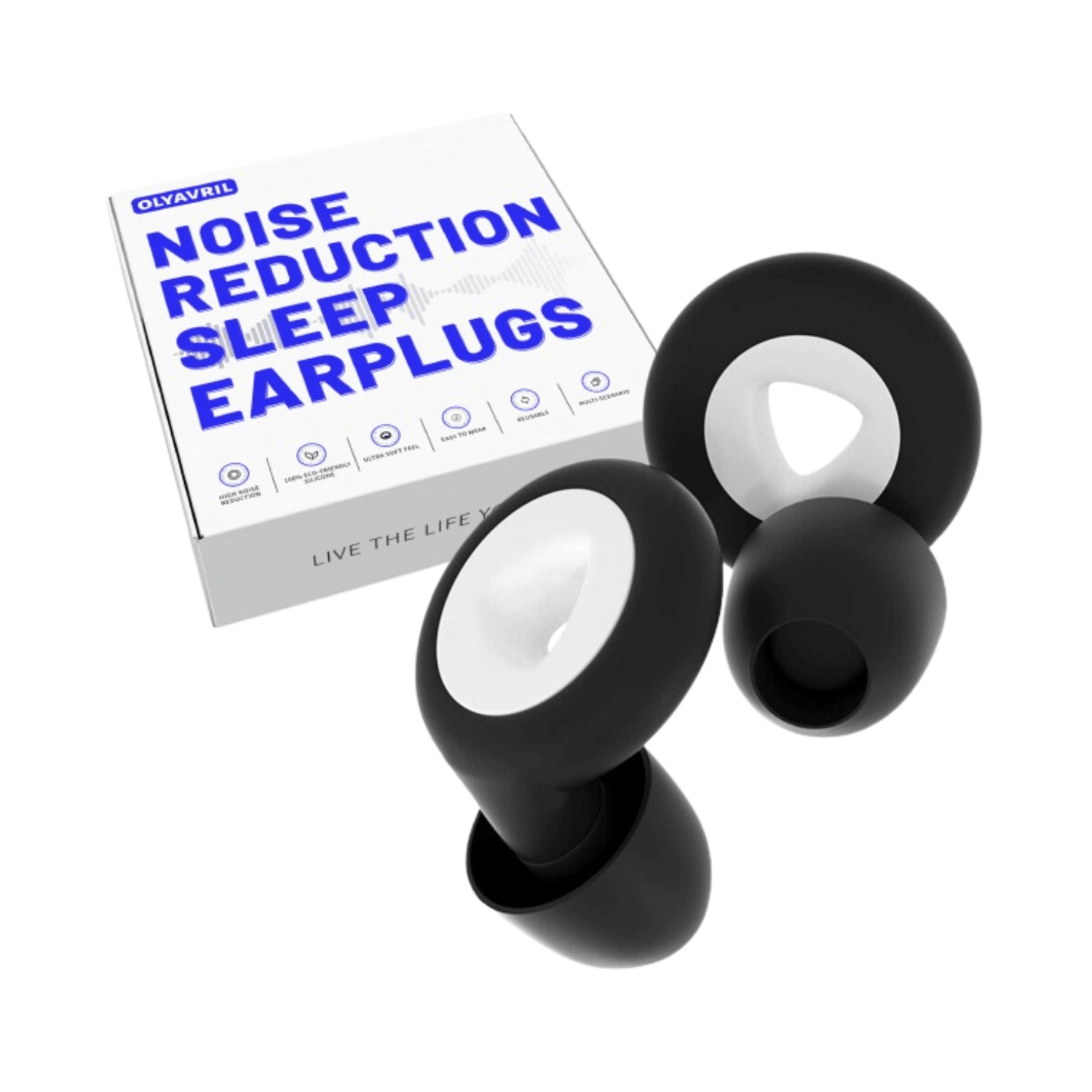
Olyavril earplugs are a sensible fit for this topic because the product positioning matches what side sleepers usually care about most: soft silicone, reusable everyday wear, and a lower-pressure feel. The product data in this store also includes up to 33dB noise reduction, plus multiple filter sizes and ear tips.
That combination matters because it gives people room to adjust fit instead of forcing one feel on everyone. For side sleepers, that is often the difference between a product that sounds good and one that actually becomes part of a nightly routine.
If you want one direct product example, the Mist Green earplugs are a good place to start. If you want the short product overview first, the Why It Works page explains the fit-and-comfort angle behind the line.
How to Tell If a Pair Is Actually Right for You
Once you have a pair in hand, the best test is a simple real-life one:
1. Put them in before you are already irritated by noise.
2. Lie on your usual side, not just on your back.
3. Stay still for a few minutes and notice any pressure points.
4. Pay attention to whether the room feels calmer without the earplugs becoming the new distraction.
5. Ask yourself whether you would realistically wear them again tomorrow night.
This is not a lab test. It is a routine test. Sleep products do not work because they sound impressive. They work because they fit into normal life.
Common Buying Mistakes
People often make the same avoidable mistakes when buying earplugs for side sleeping:
- Choosing the strongest-looking option without thinking about comfort
- Ignoring fit options
- Assuming discomfort means earplugs are not for them at all
- Expecting perfect silence instead of meaningful reduction
- Buying a pair that is better suited to occasional daytime noise than overnight wear
A better approach is to think in terms of repeat use. If the product helps enough and feels easy enough, it has a good chance of becoming part of your nightly routine. That is usually what matters most.
FAQ
What type of earplugs are best for side sleepers?
Soft, low-pressure earplugs with a lower-profile shape are usually the best fit for side sleepers. Multiple size options help too, because comfort depends a lot on fit.
Are reusable earplugs better for side sleepers?
They often make sense for side sleepers if the material is soft and the fit stays comfortable against the pillow. Reusability itself is not the point, but it is useful when you want a pair you can keep in your nightly routine.
Should side sleepers buy the highest dB rating they can find?
Not necessarily. Strong noise reduction helps, but side sleepers usually notice comfort and pressure first. A softer pair with a better fit is often more useful than a harsher pair you stop wearing.
Can earplugs completely block noise when you sleep on your side?
It is better to think in terms of reducing disruption, not creating perfect silence. A good pair can make noise feel less sharp and easier to live with, which is usually what matters most at bedtime.
Do side sleepers need special earplugs?
Not always a separate category, but they do need a different filter for what counts as good. Side sleepers should pay much closer attention to softness, pressure, and profile than the average shopper.
What is the biggest mistake side sleepers make?
Treating overnight comfort like a secondary detail. For side sleeping, comfort is often the main reason one pair works and another does not.