If your earplugs keep hurting, something is off.
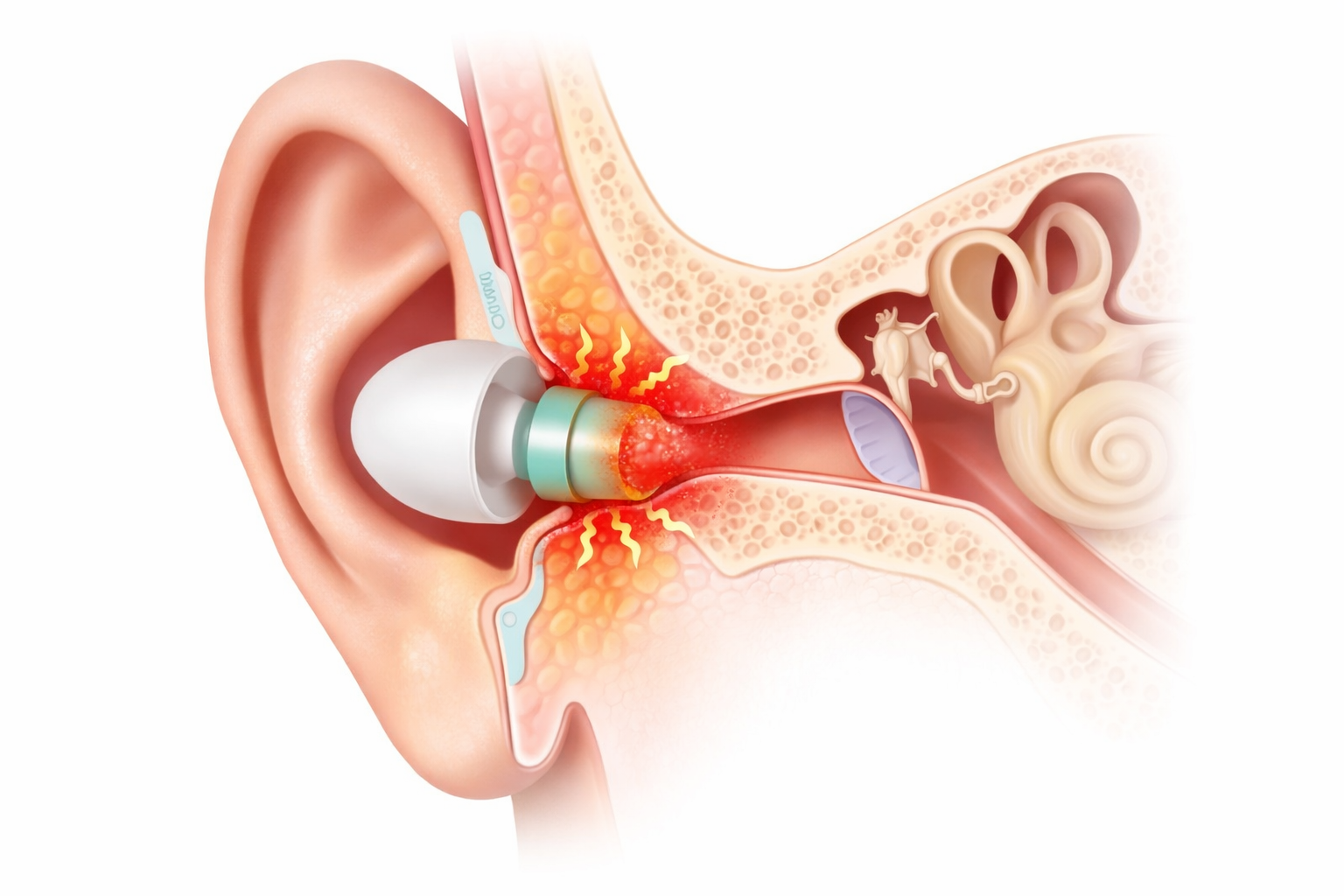
They are not supposed to leave you bracing for pressure, soreness, or that "please get these out" feeling after a few minutes in bed. In most cases, earplug pain comes down to one of a few practical issues: the fit is wrong, the pair is going in too aggressively, the earplugs are dirty or worn out, or your ears are already irritated.
That is the useful way to look at it. Not "Are earplugs bad?" but "What is making this pair feel wrong?"
Quick Answer
Earplugs are not supposed to keep hurting. If they do, the most common reasons are too much pressure, the wrong size or shape, rough insertion, dirty or damaged earplugs, or an ear that is already irritated, damp, or blocked with wax.
Start by stopping the pair that hurts. Then check the simple things first: fit, cleanliness, dryness, and whether the pain is mostly happening on one side or only when you lie on your pillow. If pain keeps coming back, or you also notice drainage, strong itching, odor, or hearing changes, stop using earplugs and check with a clinician.
The Most Common Causes at a Glance
| What is happening | What it often feels like | What to try first |
|---|---|---|
| Fit is too large or too firm | Pressure, soreness, fullness | Try a smaller or softer fit if you have one |
| Side sleeping adds pillow pressure | One ear hurts more than the other | Use a lower-profile pair or reassess fit |
| Insertion is too rough or too deep | Sharp discomfort or irritation | Remove them and reinsert gently |
| Earplugs are dirty, damp, or worn | Itching, irritation, an "off" feeling | Clean, dry, or replace the pair |
| Ear is already irritated or blocked with wax | Pain, fullness, muffled hearing | Stop forcing the earplugs and reassess |
The Fit Is Wrong
This is the first place to look because it is the most common and the easiest to fix.
The basic problem is simple. Earplugs need enough contact to stay in place and reduce noise, but not so much pressure that you keep noticing them. When the fit is too big or too forceful, the earplug stops feeling like background support and starts feeling like the problem.
That is one reason multiple sizes matter so much. A "one size fits all" approach sounds convenient, but ears do not work that way in real life.
If you mostly notice discomfort on the side pressed into the pillow, this guide on best earplugs for side sleepers is the most useful follow-up.
Insertion Can Turn a Decent Pair Into a Bad Night
Even a reasonable pair can feel bad if the routine is too rough.
The ear canal is sensitive. Medical sources that warn against putting objects into the ear canal are a useful reminder that the skin there is easy to irritate. If you push earplugs in too hard, force the angle, or keep readjusting them because the fit feels wrong, you can end up with soreness that is really about friction and pressure rather than the material alone.
This is where people often lose time. They keep trying to get used to it instead of admitting the insertion is not working.
If the first attempt feels wrong, take the earplugs out and start over gently. If the second attempt still feels wrong, that is already useful information. You probably do not have the right fit.
Dirty, Damp, or Worn Earplugs Can Feel Worse
If you reuse earplugs, the condition of the pair matters.
The CDC advises keeping ears as dry as possible because moisture in the outer ear canal can contribute to swimmer's ear. Mayo Clinic and ENT Health also note that earwax problems can lead to fullness, itching, earache, discharge, odor, and hearing changes, and that cotton swabs can push wax deeper instead of fixing the problem.
That does not mean every uncomfortable pair points to wax or irritation. It does mean you should not ignore the basics:
- Do not put earplugs into ears that still feel damp.
- Do not keep reusing a pair that looks dirty, stiff, damaged, or hard to clean.
- Do not start poking around with cotton swabs or small tools if your ear feels blocked afterward.
If reusable care is part of the problem, this guide on how to clean reusable earplugs is the right next read.
Sometimes the Ear Is the Problem, Not the Pair
This is the point where the article needs a clear line.
If the ear already feels irritated, swollen, itchy, or blocked, even a soft pair may feel worse than usual. The same goes for pain that keeps coming back in one ear even after you stop wearing the pair that bothered you.
That is why "just try harder" is bad advice here. Earplugs are a comfort tool. Once they are consistently creating pain, the routine needs to change.
What To Try Tonight If Your Earplugs Hurt
If you want a simple troubleshooting order, use this:
1. Stop using the pair that hurts instead of forcing another full night with it.
2. Check whether the discomfort is mostly pressure, mostly friction, or more like fullness inside the ear.
3. If the earplugs came with size options, switch to the smaller or gentler fit.
4. Reinsert slowly and stop if the angle feels wrong.
5. Make sure the pair is clean, fully dry, and not visibly worn.
6. If one ear hurts much more when you sleep on that side, treat it like a side-sleeping comfort problem first.
The point is not to build a complicated process. It is to stop repeating the exact setup that already proved uncomfortable.
When a Different Earplug Design Makes More Sense
Some readers do not need a big troubleshooting routine. They need a pair that feels easier from the start.
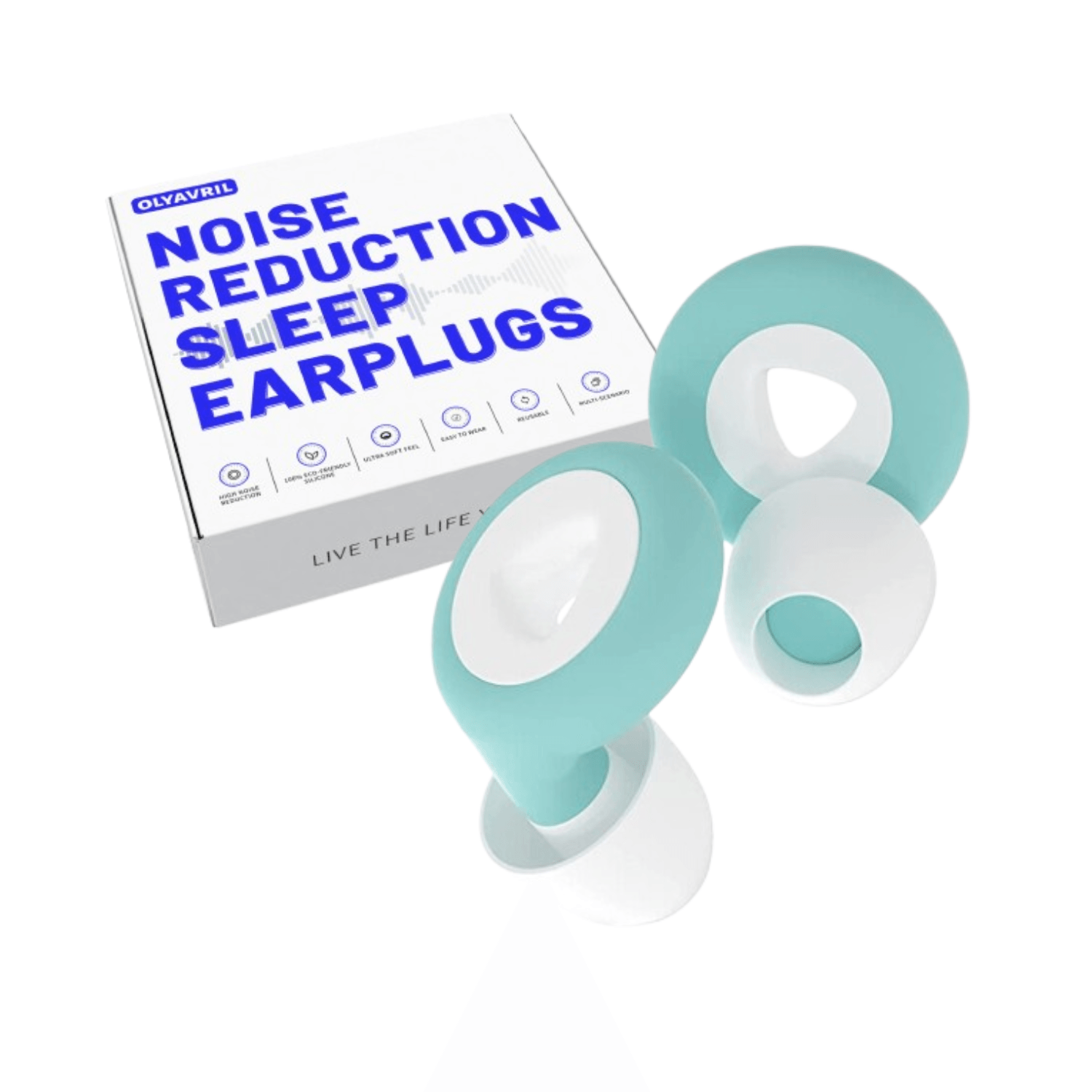
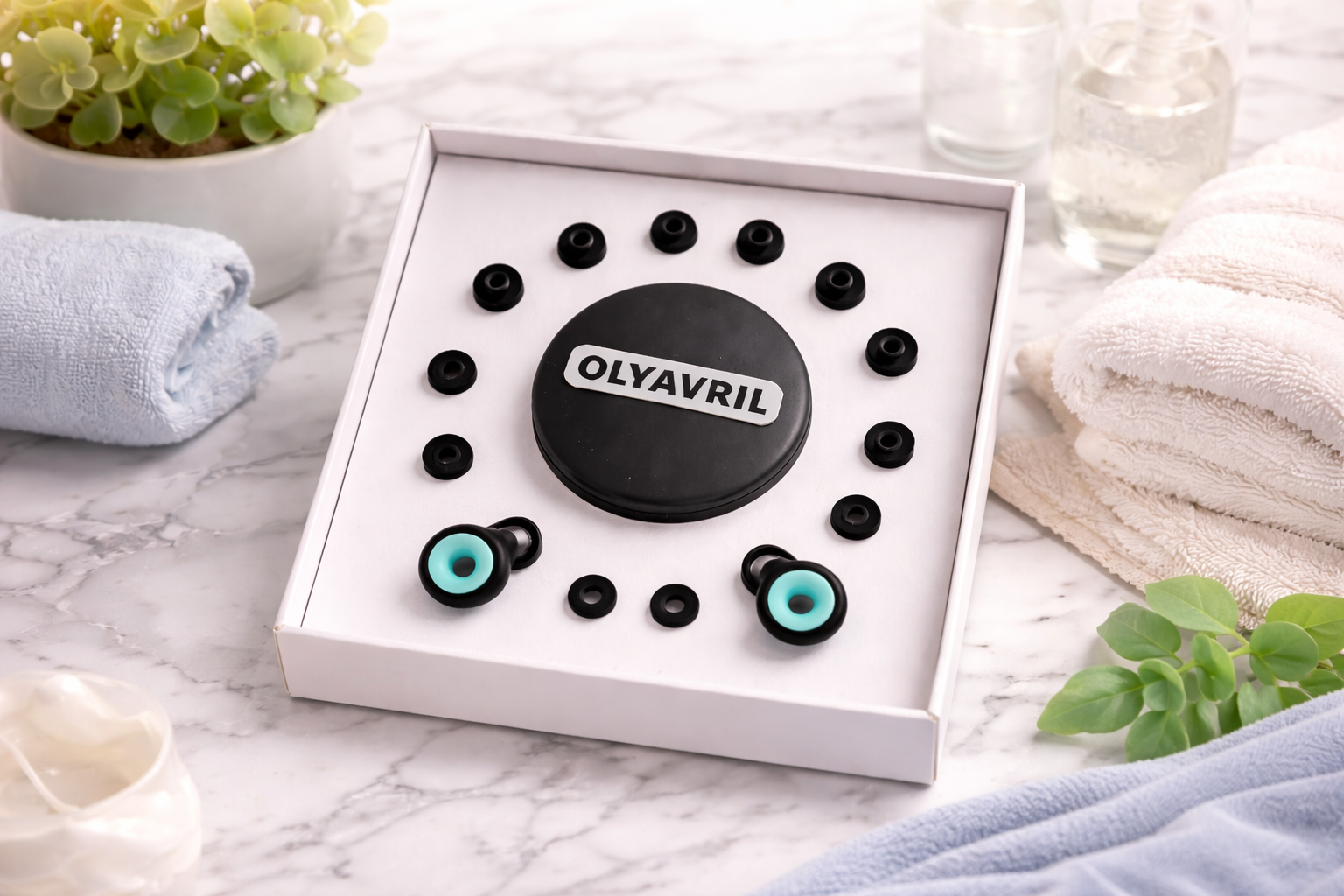
That is where softer, reusable earplugs with fit options have a clear advantage. In this catalog, Olyavril positions its earplugs around soft silicone, a low-pressure feel, up to 33dB noise reduction, multiple included filter sizes and ear tips, and a carrying case. Those details matter because comfort problems are often fit problems, not just noise-reduction problems.
If you want to compare the full range, start with the earplugs collection. If you want one concrete example, the Mist Green earplugs are the clearest product page. If you want the short comfort-first explanation behind the line, Why It Works is the right explainer.
If you are still deciding whether nightly use even makes sense for you, can you sleep with earplugs every night is the better follow-up.
When To Stop Using Earplugs and Get Medical Advice
This part should stay simple.
Stop using earplugs and check with a clinician if you have:
- Pain that keeps coming back
- Drainage or odor
- Strong itching or swelling
- Hearing that stays muffled
- Fullness that does not clear once the earplugs are out
Those signs are beyond normal fit troubleshooting.
Final Takeaway
Earplugs should not be something you endure.
If they hurt, the most likely explanation is still a practical one: wrong fit, too much pressure, a rough routine, or a pair that is dirty, damp, or worn out. Fix those first. If the discomfort keeps returning, stop using them and get the ear checked instead of pushing through it.
And if the real problem is simply that your current pair feels too hard or too one-size-fits-all, it may be time to switch to a softer option with more fit flexibility.
Common Questions
Are earplugs supposed to hurt at first?
No. A new pair can feel unfamiliar, but ongoing pain or pressure is a sign that something is off.
Why do my ears hurt after sleeping with earplugs?
The most common reasons are fit, pressure against the pillow, rough insertion, or ears that are already irritated.
Can earwax make earplugs hurt more?
It can. Wax buildup can contribute to fullness, earache, itching, discharge, odor, and hearing changes. If that seems to be happening, do not keep forcing the earplugs or try to dig wax out yourself.
Should I stop wearing earplugs if one ear keeps hurting?
Yes. If one ear keeps hurting, especially if the pain returns even after you remove the pair, stop using them and get medical advice rather than pushing through it.