If you are a light sleeper dealing with street noise, hallway sounds, or a snoring partner, this question comes up fast: can you really sleep with earplugs every night without causing another problem?
For many people, yes, sleeping with earplugs every night is usually fine. The important part is that the earplugs fit well, stay clean, and do not leave your ears sore, itchy, blocked, or irritated the next day.
That is really the whole question. This is less about whether earplugs are "safe" in the abstract and more about whether your actual routine works without your ears pushing back.
Quick Answer
If you want the short version, nightly earplug use is often reasonable when the pair feels comfortable, your ears are dry when you put them in, and you are not dealing with pain, drainage, or persistent irritation afterward.
The main tradeoffs are simple: earwax buildup, trapped moisture, discomfort from poor fit or rough insertion, and being less aware of important sounds like an alarm. So the useful test is not just "Can I do this?" It is "Do my ears still feel normal when I keep doing it?"
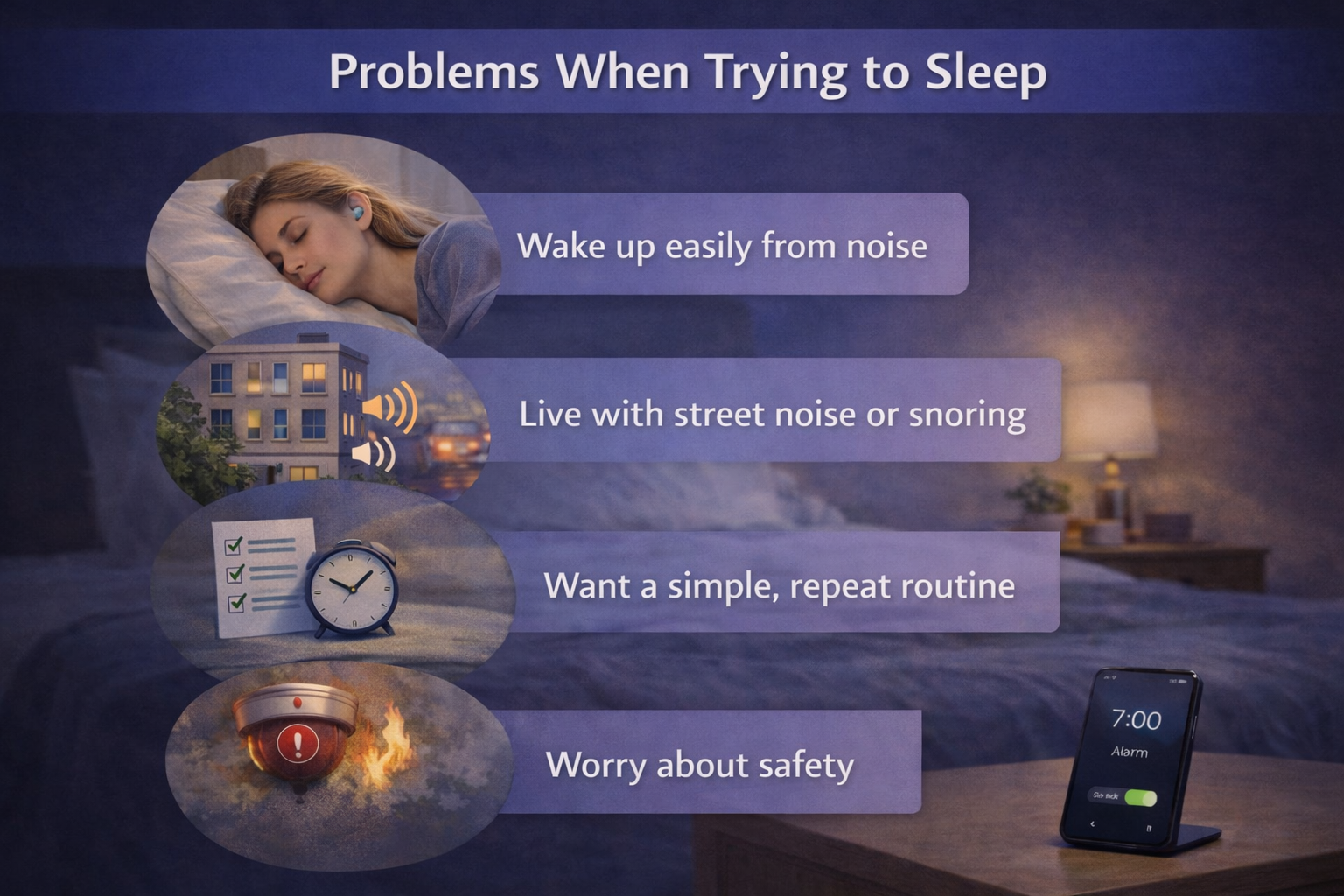
Nightly Earplug Use at a Glance
| If this sounds like you | Nightly earplug use is usually more realistic when |
|---|---|
| You wake up easily from noise | The earplugs fade into the background once you settle in |
| You live with street noise, neighbors, or snoring | They lower the noise without becoming the new problem |
| You want one repeat routine | The pair is easy to handle, easy to keep clean, and comfortable enough to keep using |
| You worry about safety | You pay attention to how your ears feel the next morning instead of pushing through discomfort |
| You need to hear an alarm | You test your setup instead of assuming it will be fine |
When Nightly Earplug Use Is Usually Fine
The most honest answer here is a conditional one.
If earplugs help you sleep, do not cause symptoms, and feel normal to wear and remove, nightly use is often workable. Plenty of people use them because they live with traffic, hallway noise, snoring, or just a light-sleeper baseline that makes every little sound feel too sharp at night.
What matters is not only the noise reduction. It is whether the routine stays easy. If the pair feels too tight, too deep, too scratchy, or too noticeable against the pillow, you usually find that out fast.
That is why comfort matters so much for repeat use. The best pair for nightly sleep is rarely the one with the most intense claim on the box. It is usually the one you can wear for hours without turning bedtime into another thing to manage.
What Can Go Wrong If the Routine Is Off
The main downsides are usually pretty ordinary, which is also why they are easy to overlook.
Regular in-ear use can contribute to earwax buildup. Moisture can also become part of the problem if your ears are still damp when you put the earplugs in or if the routine leaves the ear canal feeling too closed up for too long. And sometimes the issue is simpler than that: the fit is just wrong, or the pair goes in and out too roughly, and your ears stop tolerating it well.
There is one more tradeoff worth taking seriously. Earplugs can make you less aware of important sounds. That does not mean you will miss every alarm, but it does mean you should not guess. If that is the part you are worried about most, this guide on can you hear your alarm with earplugs goes deeper.
The pattern to watch for is straightforward. If earplugs make the night quieter but the next morning brings pain, drainage, persistent itching, fullness, or muffled hearing that does not settle quickly, that is not a routine to keep forcing.
How To Make Nightly Use Easier on Your Ears
You do not need a complicated system. You need a sensible one.
- Start with earplugs that feel comfortable before you start chasing maximum reduction.
- Put them in with clean hands and keep the pair clean according to its product guidance.
- Do not insert them into wet or already irritated ears.
- Remove them gently instead of pulling them out roughly when you first wake up.
- Pay attention to how your ears feel the next day, not just how the room felt overnight.
That sounds basic, but basic is usually the point. A calm, repeatable routine beats a stronger-looking setup that you keep arguing with every night.
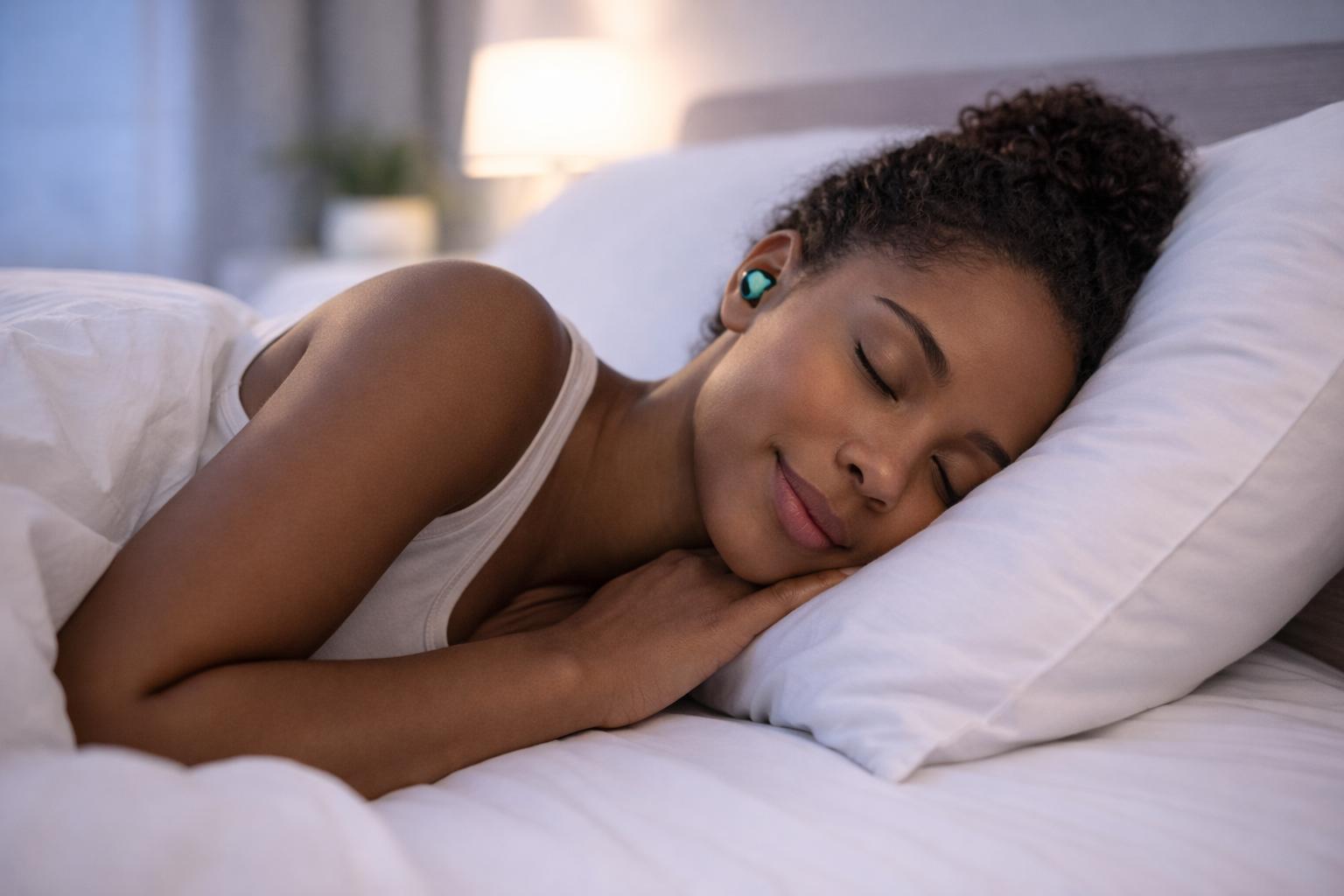
What Kind of Earplugs Make More Sense for Repeat Sleep Use
If you expect to wear earplugs often, soft material and fit options matter more than usual.
A pair that feels acceptable once is not automatically a good nightly pair. Repeat sleep use usually goes better when the earplugs feel low-pressure, sit comfortably, and give you some room to adjust fit instead of forcing one feel on everyone.
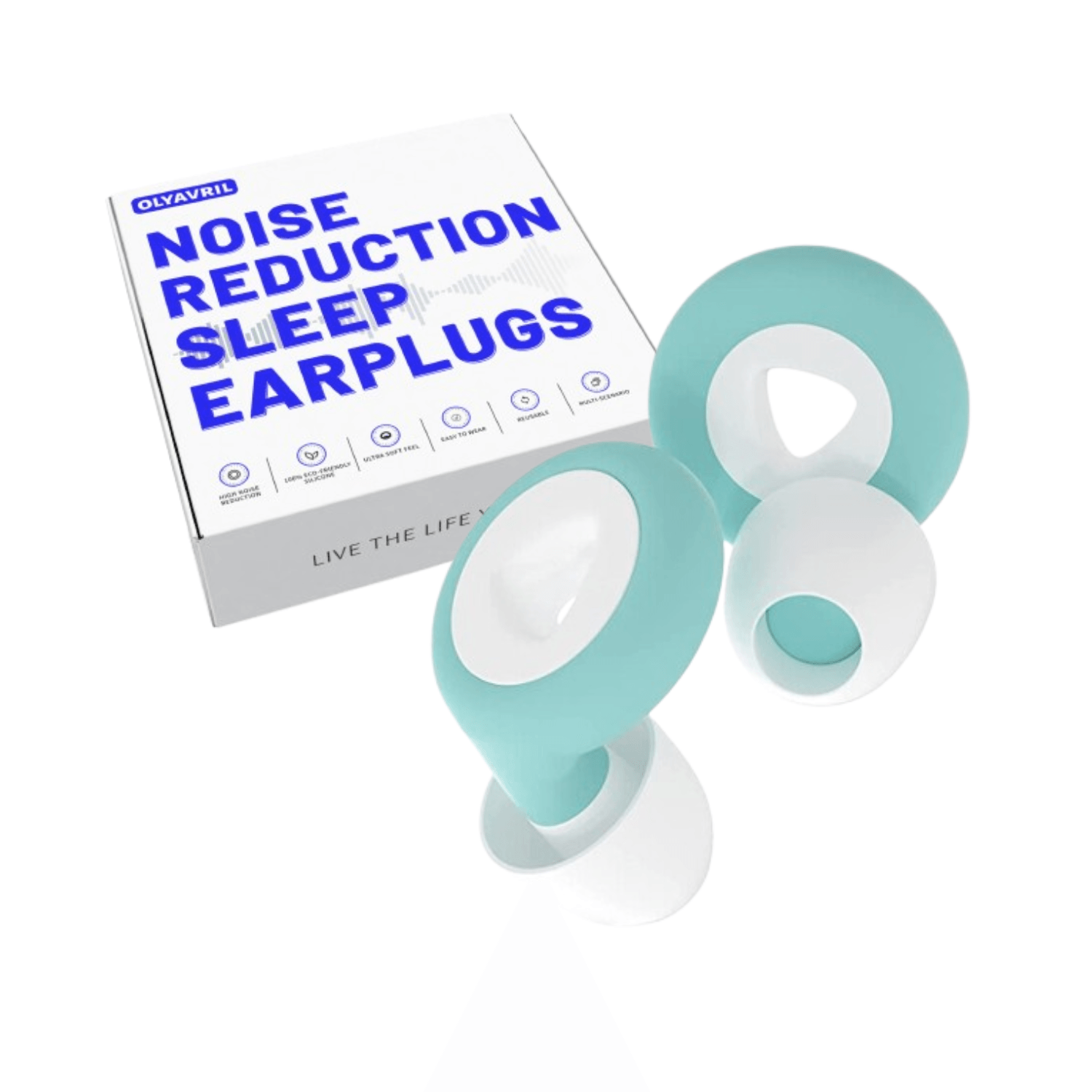
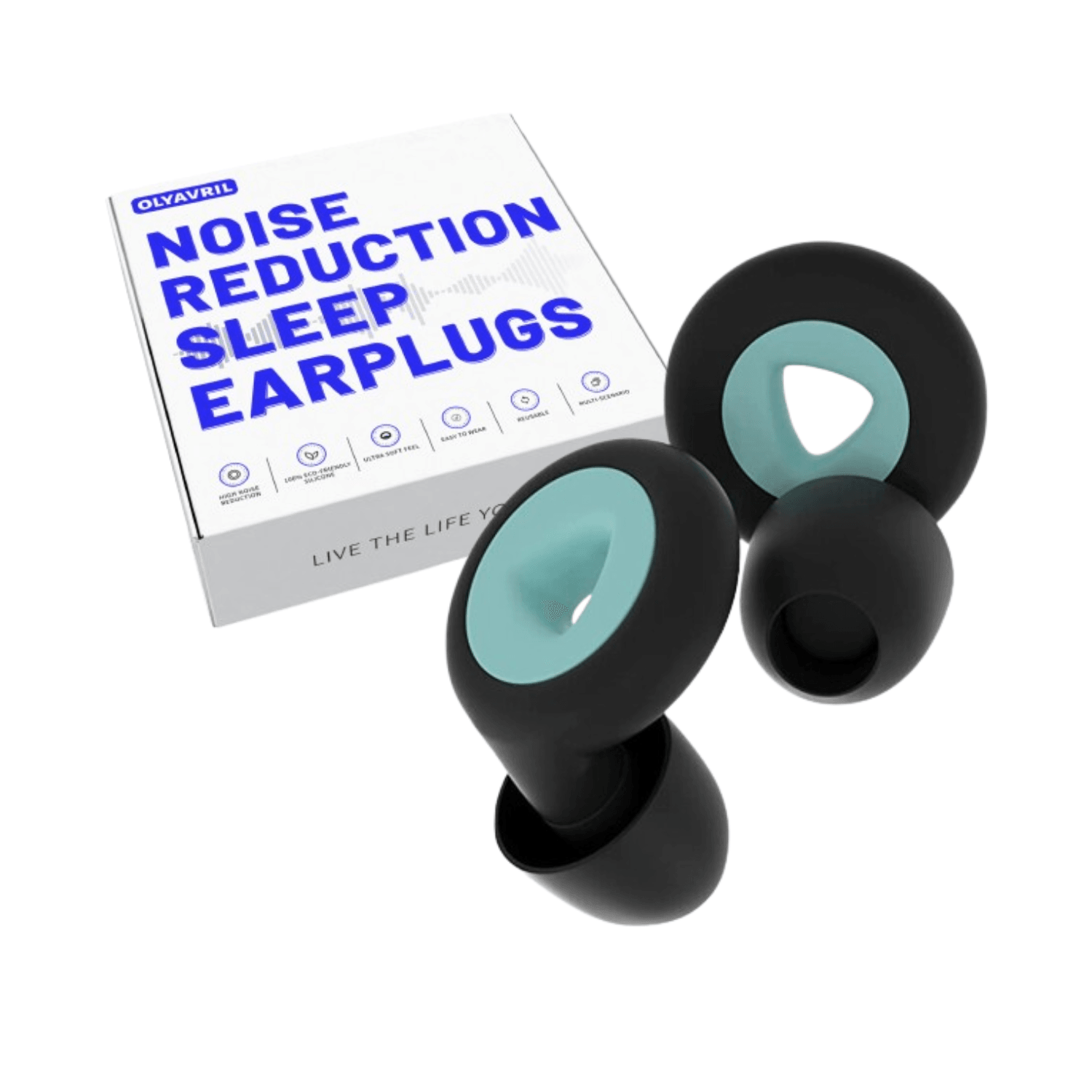
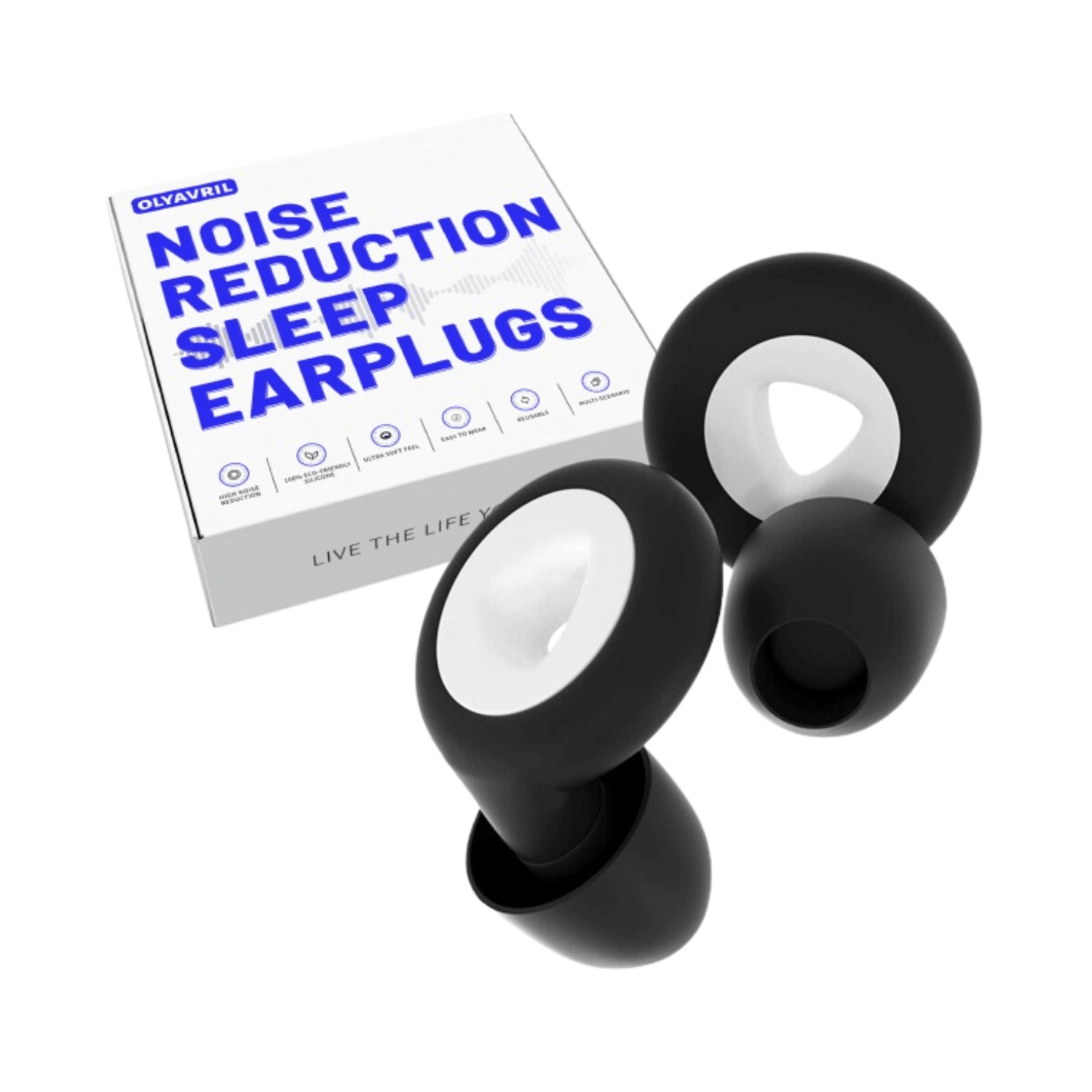
That is where the current Olyavril catalog fits naturally. The product data here is built around soft silicone, realistic noise-reduction language, and multiple included fit options rather than total-silence promises. If you want to compare what is available first, start with the full earplugs collection. If you want one direct example, the Mist Green earplugs are the clearest product page. And if you want the short explainer behind the comfort angle, Why It Works lays it out simply.
If your real issue is pressure against the pillow, this guide on best earplugs for side sleepers is the more useful next read. If you are still deciding between materials, foam vs silicone vs wax earplugs for sleep covers the tradeoffs more directly.
When To Stop Guessing and Ask a Clinician
This article is general guidance, not personal medical advice.
If your ears keep hurting, draining, itching, or feeling blocked after you sleep in earplugs, stop using them and ask a clinician. The same goes for hearing changes that do not clear up once the earplugs are out.
It is also worth being a little strict with yourself here. Do not treat a week of soreness or irritation like a normal adjustment period you just need to push through.
That does not automatically mean earplugs are a bad fit for your life. It just means a nightly routine should feel sustainable, not irritating.
Final Takeaway
Yes, you can often sleep with earplugs every night. The better question is whether your ears tolerate the routine well.
If the pair stays comfortable, your ears stay calm, and you keep realistic expectations about alarms and total silence, nightly use can make a lot of sense. If you are still choosing a pair, lean toward comfort, fit, and repeat use rather than the most aggressive promise on the packaging.
FAQ
Is it bad to sleep with earplugs every night?
Not necessarily. For many people, nightly use is fine when the earplugs fit well, stay clean, and do not lead to pain or irritation.
Can sleeping with earplugs cause earwax buildup?
It can. That is one reason to pay attention if your ears start to feel blocked, itchy, or unusually muffled.
What if my ears hurt after sleeping in earplugs?
Stop using that pair and do not treat the discomfort as normal. Pain is usually a sign that the fit, condition, or routine needs to change, and persistent symptoms are a good reason to ask a clinician.
Can I still hear my alarm if I wear earplugs every night?
Often yes, but it depends on the earplugs, your alarm volume, and where the alarm sits in the room. It is worth testing your real setup before you rely on it.