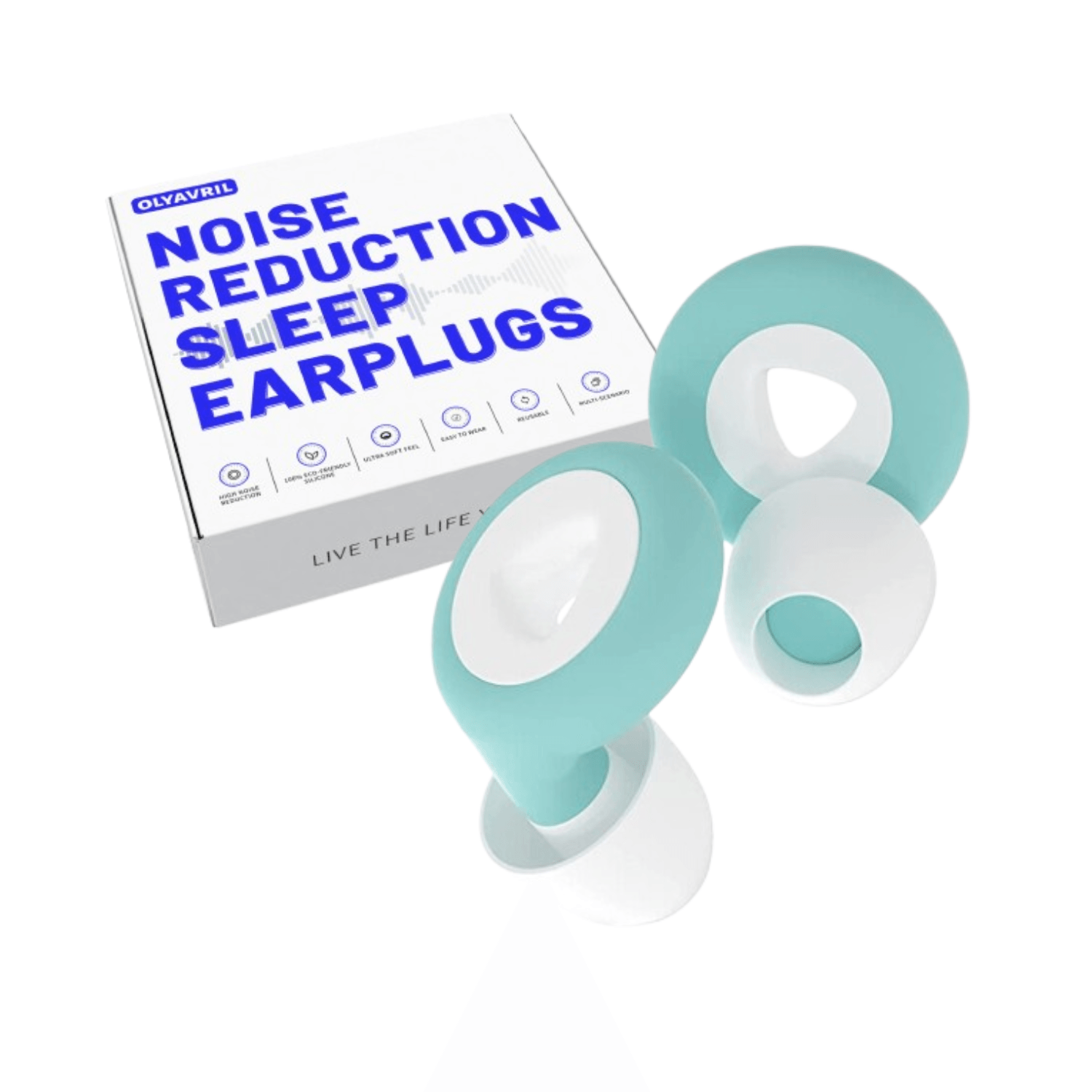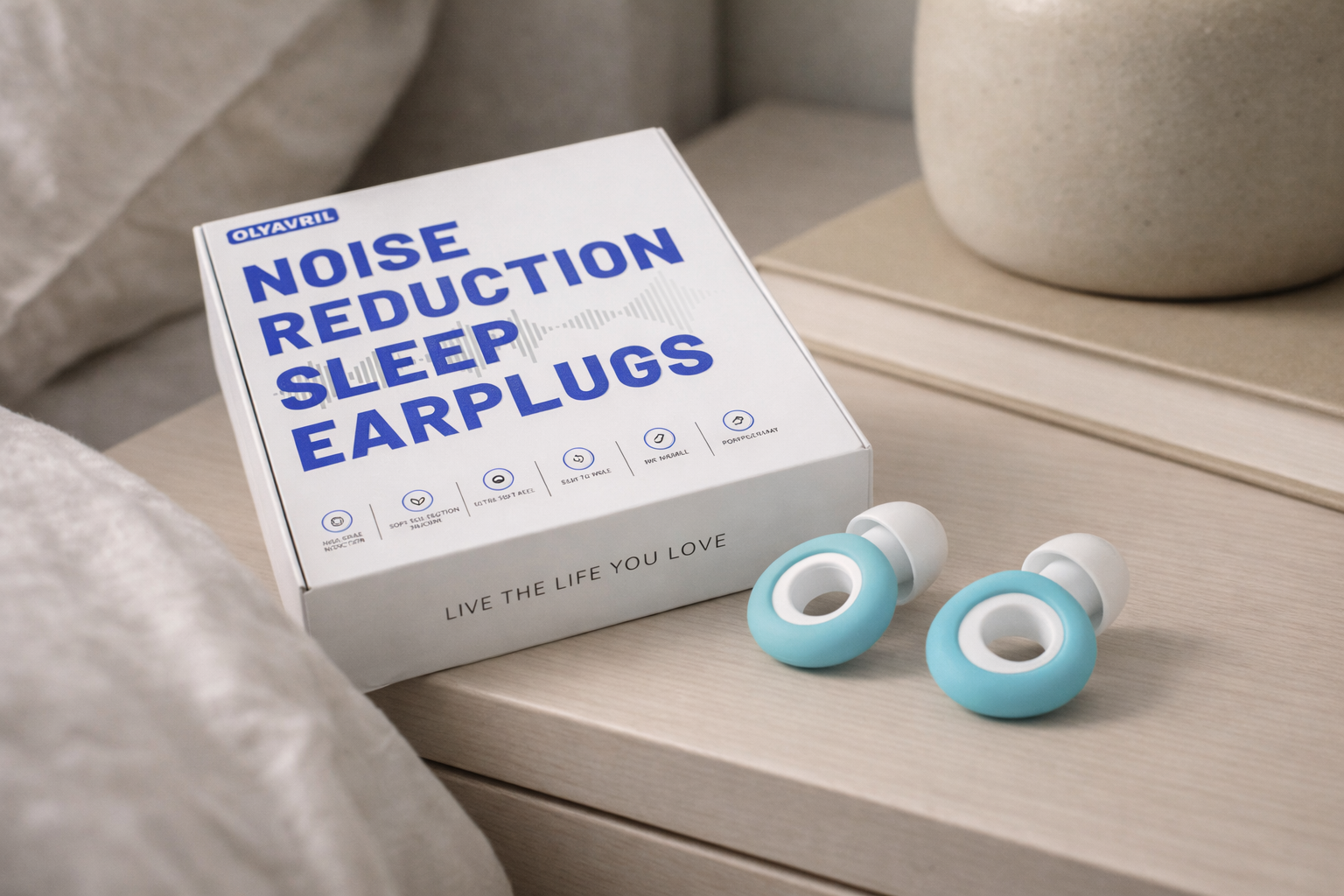
Reusable earplugs are not disposable, but they are not something you should keep using forever just because they are still in one piece.
Most people get stuck in the middle. They know a reusable pair should last longer than basic foam plugs, but they do not know when normal use turns into normal wear. For sleep, that question matters more than it first seems, because a pair can start feeling less trustworthy before it looks obviously ruined.
Quick Answer
There is no single replacement schedule that fits every reusable earplug.
The better rule is to replace the pair when it stops behaving like a good pair. That usually means the material is torn, harder than it used to be, sticky, stained in a way that does not wash off, less secure in your ears, or simply less comfortable to sleep in.
Official hearing-protection guidance points in the same direction. NIDCD says foam earplugs are meant for one-time use, while pre-molded earplugs are a reusable category. OSHA says hearing protectors have a limited life span, and 3M's care guidance says reusable earplugs should be replaced when the flanges are damaged, torn, or no longer soft and pliable.
If you want the short version, use this filter:
- Clean them if the issue is normal surface buildup.
- Replace them if the material is damaged or no longer feels like the same pair.
- Stop forcing them if sleep comfort, fit, or seal has clearly changed.
Replacement Signs at a Glance
| What you notice | What it often means | What to do next |
|---|---|---|
| The material feels harder, stickier, or less flexible | Normal wear has changed the feel of the pair | Replace them |
| The flanges or tips look torn, cracked, or misshapen | The seal may no longer be reliable | Replace them |
| They still look dirty or smell off after cleaning | The pair is beyond simple upkeep | Replace them |
| They slip more or need more overnight adjusting | The fit or seal has likely degraded | Reassess and replace if cleaning does not fix it |
| They suddenly feel more noticeable or uncomfortable in bed | The routine is no longer working as intended | Stop using that pair and reassess |
Why There Is No Single Replacement Calendar
This is the part people usually want simplified into one neat number. A month. Three months. Six months. Real life is messier than that.
Reusable earplugs wear out at different speeds depending on how often you use them, how carefully you clean them, how you store them, and how much friction they go through during insertion and removal. A pair you wear every night and toss loose into a bag will not age the same way as a pair that stays clean in its case on a nightstand.
So official guidance leans toward condition rather than a universal clock.
NIDCD separates one-time foam earplugs from pre-molded reusable earplugs, which already tells you the answer changes by product type. NIOSH also notes that earplugs need replacement over time, while OSHA says hearing protectors have a limited life span and lose performance as they wear out.
For sleep, the standard is even stricter than quick daytime wear. The pair has to stay comfortable for hours, stay put against pillow pressure, and keep feeling worth wearing once the room goes quiet enough for you to notice every little pressure point.
For bedtime, "still technically usable" is not much of a standard.
The Clearest Signs It Is Time To Replace Reusable Earplugs
The Material Does Not Feel the Same
This is often the first signal.
Reusable earplugs should still feel soft enough to sit comfortably and seal well. If the pair feels stiffer, less forgiving, tacky, or slightly rougher than it used to, that change matters. 3M's care guidance is useful here because it stays concrete: replace reusable earplugs when the flanges are damaged, torn, or no longer soft and pliable.
You do not need to wait until the pair looks obviously broken. If the material itself feels off, that tells you something already.
They No Longer Come Clean Properly
Some pairs do not look destroyed. They just stop coming back to a clean baseline.
If a careful wash still leaves visible buildup, a lingering smell, or a grimy feel you would not want back in your ears, that is a replacement problem, not a cleaning problem. OSHA makes a similar point in broader hearing-protection guidance: plugs that cannot be cleaned must be replaced.
If you think your pair may still be salvageable, this guide on how to clean reusable earplugs is the right next step.
The Seal Feels Less Reliable
Wear does not always show up as visible damage first. Sometimes it shows up as a slightly weaker fit.
Maybe the earplugs slip more once you roll onto your side. Maybe they need more readjustment at bedtime. Maybe the room feels a little sharper again even though you are using the same pair. Those are not dramatic failures, but they are still signs the pair may no longer be doing its job as well.
For sleep users, a worn pair often announces itself through routine friction:
- You notice the earplugs more against the pillow.
- One side starts slipping sooner than it used to.
- You wake up adjusting them instead of forgetting about them.
- Noise feels a bit less softened than before.
If the main symptom is slippage, why do my earplugs fall out when I sleep helps you separate wear from fit problems.
They Start Bothering Your Ears
Earplugs should feel comfortable and secure, not like something you are pushing through.
NIDCD says hearing protectors should not be painful or forced. For sleep, that matters even more. If a pair that used to feel fine now feels newly intrusive, scratchy, or annoying after an hour or two, do not wave that off.
Sometimes the issue is wear. Sometimes the issue is that the pair was never a great fit in the first place. Either way, bedtime is not the place to keep arguing with the same pair.
If discomfort is the main problem, why do earplugs hurt my ears is the better follow-up. If you are questioning the whole routine, can you sleep with earplugs every night covers the broader tradeoffs.
Clean Them or Replace Them?
This is the decision most readers actually need.
Clean them if:
- The pair still feels soft and intact.
- The fit still feels normal.
- The issue is ordinary wax, dust, or surface buildup.
- The earplugs look and feel restored once they are washed and fully dried.
Replace them if:
- The material is torn, cracked, hardened, or sticky.
- The pair still feels dirty after proper cleaning.
- The fit is less stable even when the pair is clean.
- The earplugs have become more annoying to sleep in than they used to be.
Cleaning can maintain a good pair. It cannot turn a worn pair back into a fresh one.
What Changes First for Sleep Users
Sleep is where small problems stop feeling small.
During the day, you might get away with a pair that is slightly less comfortable or slightly less stable. At night, that same pair can become the thing you keep noticing. Pillow pressure makes fit problems louder. Long wear makes material changes more obvious. And once you start waking up to adjust the earplugs themselves, the whole point of the routine starts falling apart.
Sleep users often replace a pair based on feel before obvious damage shows up. The strongest clue is usually not visual. It is that the pair no longer fades into the background.
A Practical Option in This Catalog
This topic fits the current catalog for a simple reason: the product is positioned for repeat use, not one noisy emergency.
The repository's product data stays grounded in practical details: up to 33 dB noise reduction, ultra-soft silicone, three filter sizes and ear tips, a carrying case, and reusable everyday use. The Why It Works page makes the same point more simply. A reusable pair only helps if it stays comfortable enough to keep using and easy enough to keep track of.
If you are replacing an old pair and want to compare what is currently available, start with the full earplugs collection. If you want one direct product page, the Mist Green earplugs are the clearest example.
What matters here is not the fantasy that one pair lasts forever. It is that repeat use makes more sense when the material is soft, the fit is adjustable, and the storage is simple enough that the earplugs stay in better shape between nights.
Final Takeaway
Replace reusable earplugs when they stop feeling like a reliable pair, not when a generic calendar tells you to.
For sleep, that usually means watching for the practical signs first: harder material, damaged tips, stubborn grime, weaker seal, more slipping, or new discomfort. If a wash brings the pair back, keep using it. If it still feels off, replace it and move on.
That is a better rule than squeezing one more month out of a pair you already do not trust.
FAQ
How often should you replace reusable earplugs for sleep?
There is no one fixed schedule. Replace them when the pair shows wear, no longer comes clean properly, seals less reliably, or feels less comfortable than it used to.
Can reusable earplugs last for months?
They can, but it depends on the material, how often you use them, how you clean them, and how well they are stored. The better question is whether they still feel soft, clean, and dependable.
If reusable earplugs still look fine, can I keep using them?
Yes, if they still feel soft, fit securely, and come back to a clean baseline after washing. Visual condition matters, but so does how the pair feels in actual overnight use.
Is cleaning enough if reusable earplugs feel different than they used to?
Not always. Cleaning can fix ordinary buildup, but it will not fix worn material, torn flanges, lost softness, or a pair that no longer seals well.