If most earplugs feel too big, the problem is usually not that you are bad at wearing earplugs.
It is usually that the pair is asking too much from your ears at bedtime. A fit can seem acceptable for a minute in the bathroom, then feel too full, too stiff, or too obvious once you lie down and stay still long enough to notice every pressure point.
The best earplugs for small ears are rarely the ones with the boldest packaging. They are usually the ones with less bulk, more size flexibility, and a feel you can live with for a full night.
Quick Answer
The best earplugs for small ears are usually soft, lower-profile earplugs with more than one size or tip option. If standard pairs feel too tight, too full, or too noticeable in bed, the fix is often a smaller or gentler fit rather than a more dramatic noise claim.
Official hearing-protection guidance supports the basic buying logic. NIOSH says some earplugs come in different sizes and that people with very narrow or curvy ear canals can have a harder time finding a fit. NIDCD also says earplugs should feel comfortable and secure, not painful or forced.
If you want the short version, look for:
- More than one size or tip option
- Soft material
- A lower-profile shape
- A secure fit that does not feel pushy
- Realistic noise reduction, not a promise of perfect silence
Best Earplugs for Small Ears at a Glance
| If this keeps happening | What it often means | What to look for next |
|---|---|---|
| The earplugs feel too full right away | The size or shape is too large for your ear | Smaller tips or a gentler fit |
| They feel fine upright but annoying on the pillow | The profile is too bulky for sleep | A lower-profile shape and softer material |
| They leave pressure by morning | The pair may be too large or too rigid for overnight wear | Less bulk and less force |
| They keep slipping once you move | The fit is unstable, not truly secure | More size flexibility or a different shape |
| You keep pushing them deeper to make them work | The fit is wrong from the start | Stop forcing that pair and reassess |
How To Tell When Earplugs Are Too Big for Your Ears
People usually know something is off before they know exactly what the problem is.
Maybe the earplugs feel huge. Maybe one ear starts feeling crowded. Maybe the pair sits far enough out that the pillow keeps reminding you it is there. Those are all useful clues.
Too big does not always mean obviously oversized. Sometimes it means the shape is too bulky. Sometimes it means the material pushes back too much. Sometimes it means the pair technically seals, but only by feeling intrusive the whole time.
That is a big reason small-ear shoppers get stuck. They assume the only question is whether the earplugs block noise. In real life, the better question is whether they reduce enough noise without becoming the new thing you are trying to escape.
What To Look for if You Have Small Ears
More Than One Size Option
This is the first filter for a reason.
NIOSH says some earplugs come in different sizes and that fit can vary with ear-canal shape. That is exactly why one-size products can be so frustrating for smaller ears. A pair that feels easy for someone else can feel too forceful for you before the night even starts.
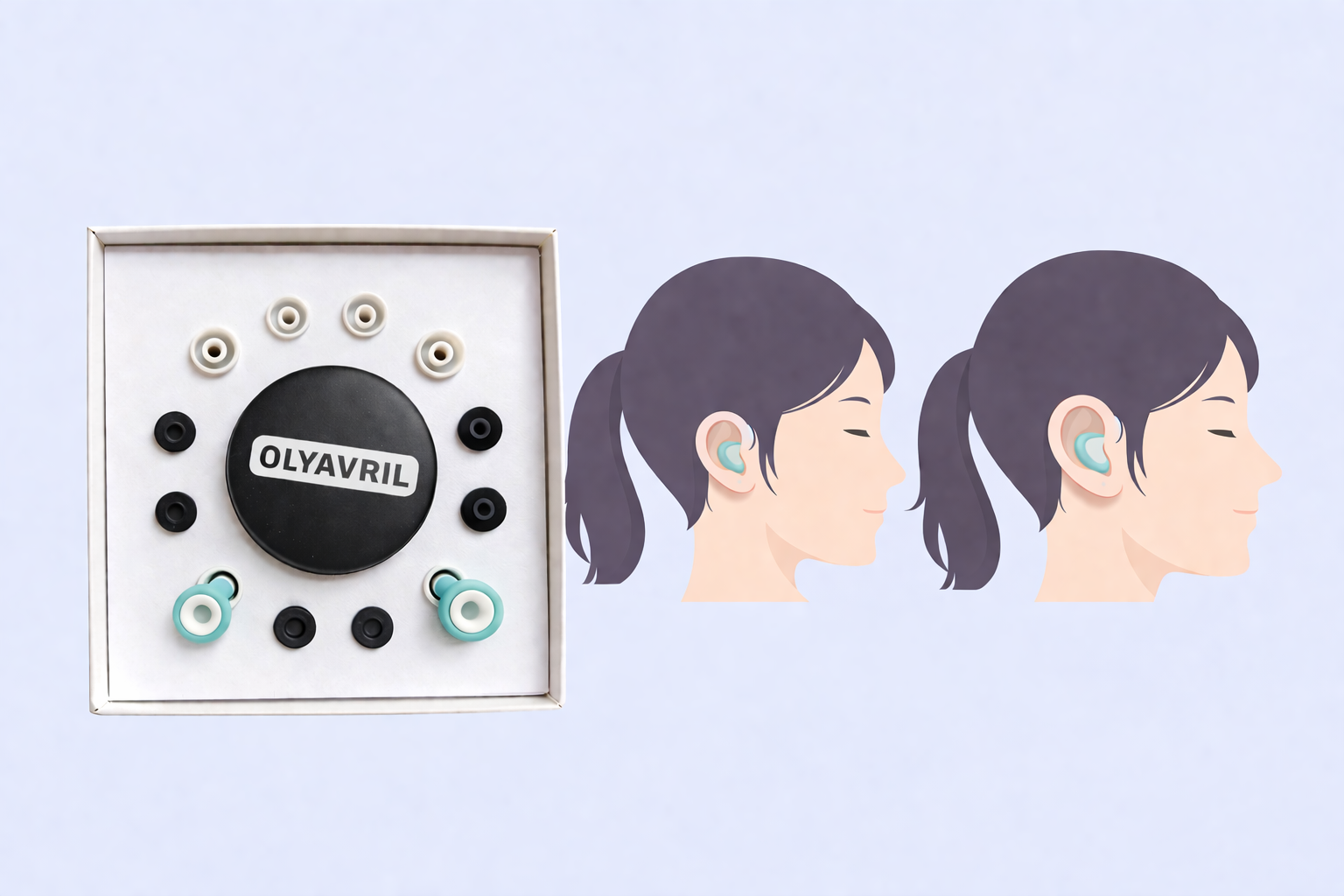
Multiple sizes or included tips do not guarantee success, but they give you a much better chance of finding a fit that feels secure without feeling crowded.
Softer Material
Small ears usually notice harshness faster.
If the material feels stiff, scratchy, or overly present, the problem gets louder once your head is on the pillow for hours. Softer material tends to give you a little more room to settle in without turning the earplug itself into the focus.
If you are still deciding between formats, this comparison of foam vs silicone vs wax earplugs for sleep is the best next read.
A Lower-Profile Shape
This gets overlooked a lot.
A pair can technically fit and still sit too far out from the ear. That matters more if you have smaller ears because there is less room for a bulky shape to feel unobtrusive. At bedtime, that extra profile often becomes a pillow problem.
If you sleep on your side, that overlap gets even stronger. In that case, best earplugs for side sleepers is the more specific guide.
A Secure Fit That Does Not Feel Pushy
The goal is not to force the earplug in until it finally stays put.
NIDCD's guidance is useful here: earplugs should feel comfortable and secure, and they should not be forced. For sleep, that usually means looking for a fit that feels stable without making your ear feel full or overworked.
That balance matters more than people expect. A pair can be secure in a way that still feels wrong for actual rest.
What Usually Goes Wrong at Night
Small-ear fit problems stop feeling abstract once the lights go out.
One common version is pressure. The pair feels acceptable at first, then you wake up aware of it. Another is bulk. The shape sits far enough out that the pillow keeps nudging it. Another is false security: the earplug seems fine when you first put it in, but shifts or loosens once you move around in bed.
That is also where this topic starts to touch a few other guides on the site without turning into the same article.
If the pair hurts, the better next read is why do earplugs hurt my ears.
If the pair keeps coming loose, the better next read is why do my earplugs fall out when I sleep.
Those articles solve the symptom. This one is for choosing a better fit before you keep repeating the symptom.
A Simple Fit Test Before You Give Up on Earplugs
You do not need a lab test. You need a calmer test.
Try this:
- Put the earplugs in before you are already irritated by noise.
- Notice whether they feel secure without needing extra force.
- Lie down in your normal sleep position, not just on your back for ten seconds.
- Pay attention to whether one ear feels more crowded or pressured than the other.
- Notice whether the shape presses outward into the pillow.
- Ask whether the room feels quieter without the earplugs becoming the main distraction.
If the pair feels too full, too obvious, or too unstable during that quick check, that is already useful information. You probably do not need to get used to it. You probably need a better size, a softer material, a lower-profile shape, or all three.
A Practical Option in This Catalog
The Olyavril catalog lines up with this problem for a simple reason.
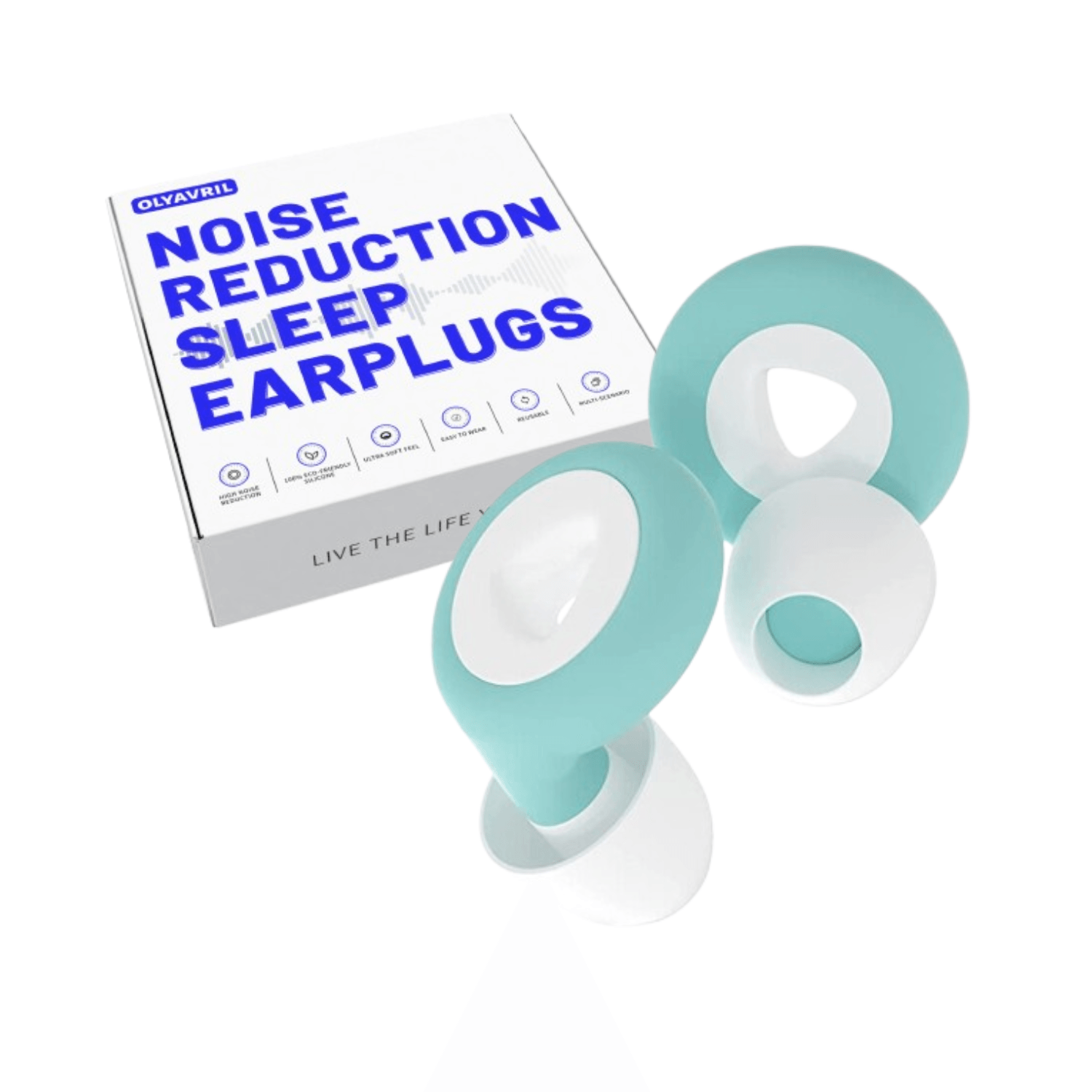
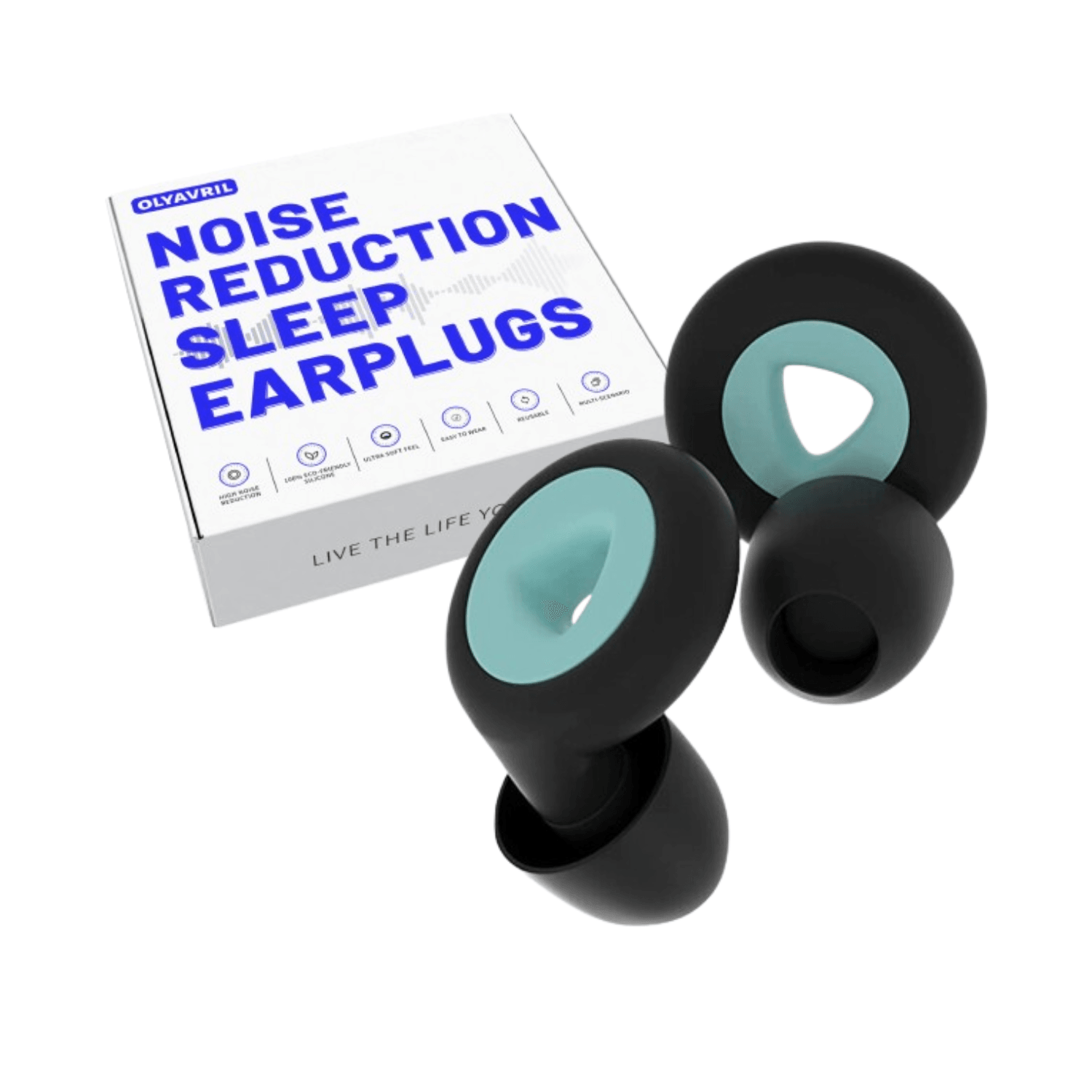
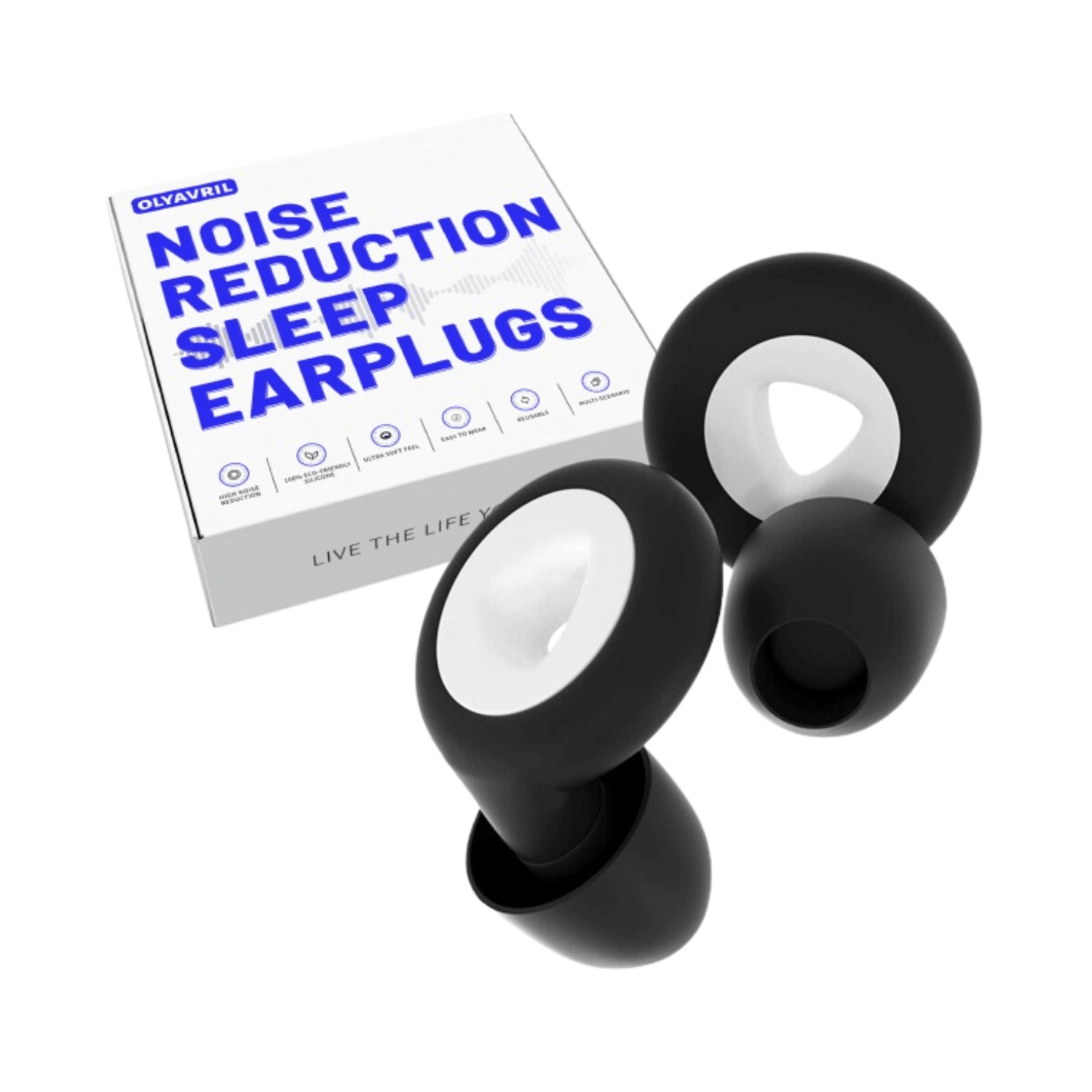
The product data in this repository stays grounded in practical details: up to 33dB noise reduction, ultra-soft silicone, three filter sizes and ear tips, a carrying case, and reusable everyday use. The Why It Works page makes the same point more simply: many people give up on earplugs because the fit feels scratchy, oversized, or too disposable.
That matters for smaller-ear shoppers because the goal is not one magic claim. It is more room to tune the fit.
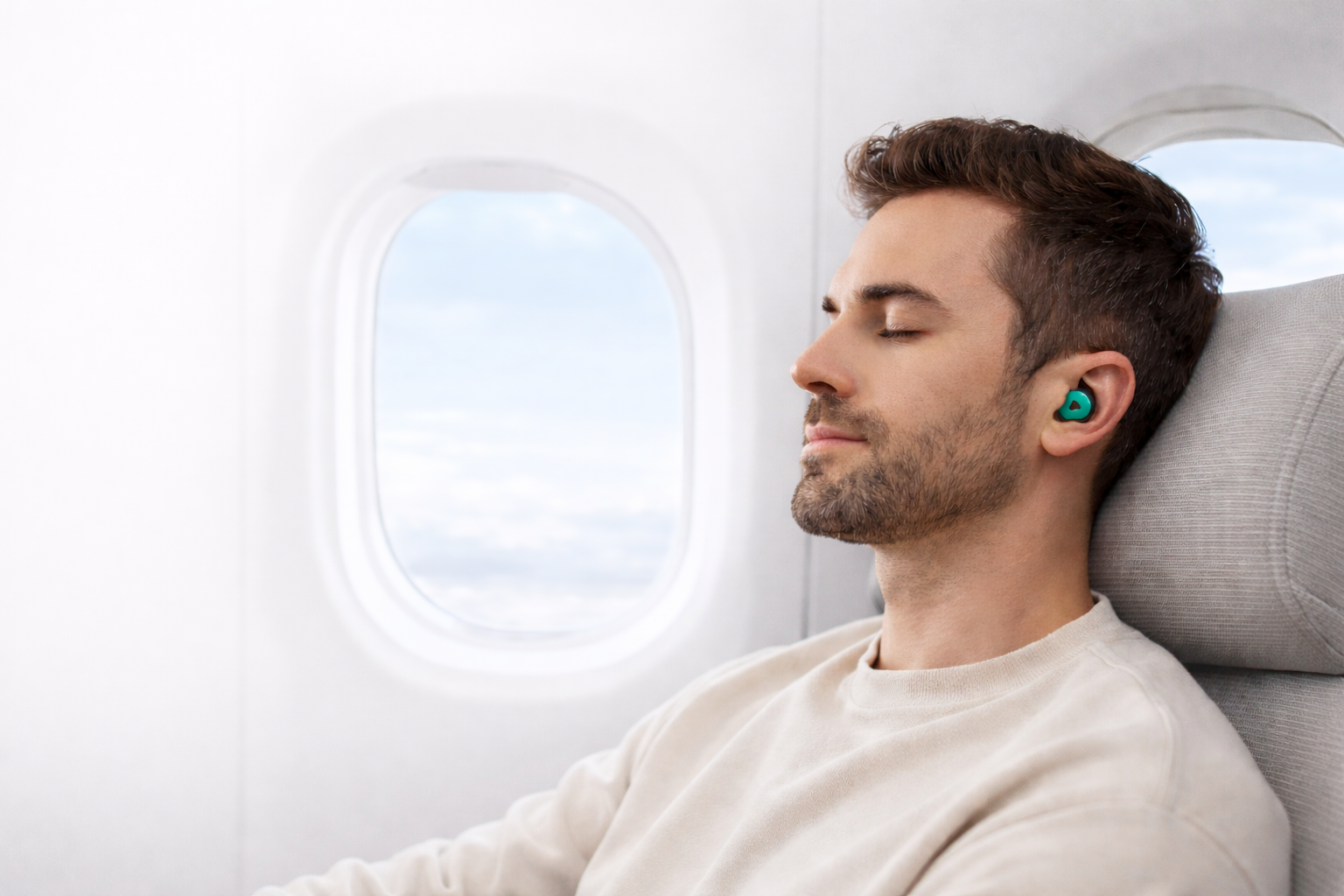
If you want to compare the full line first, start with the earplugs collection. If you want one concrete product page, the Mist Green earplugs are the clearest place to see the current feature set.
Final Takeaway
If you have small ears, the best earplugs for sleep are usually the ones that feel less like a compromise.
Look for less bulk, more fit flexibility, and a shape you can stop thinking about once you are in bed. A strong-looking noise number can still matter, but it is not the first thing to solve if most earplugs already feel too big.
The better buying question is simple: does this pair feel secure, calm, and realistic for a full night? If not, keep moving. The wrong fit will keep telling on itself.
FAQ
What are the best earplugs for small ears?
Usually soft earplugs with a lower-profile shape and more than one size or tip option. The best pair is usually the one that feels secure without feeling crowded.
How do I know if earplugs are too big for my ears?
They may feel too full right away, create pressure once you lie down, sit too far out against the pillow, or keep making you adjust them instead of forgetting about them.
Should I choose softer earplugs if I have small ears?
Often, yes. Softer material can help reduce pressure and make overnight wear feel easier, especially if standard pairs feel harsh or too noticeable.
Are reusable earplugs better for small ears?
They can be, especially when they include multiple fit options. Reusability is not the main point. The useful part is the better chance of finding a fit that works.
What if earplugs hurt or keep falling out at night?
Treat that as fit information, not something to push through. If they hurt, read why do earplugs hurt my ears. If they slip, read why do my earplugs fall out when I sleep.