Snoring can make an otherwise normal night feel weirdly stressful. You love your partner, obviously, but that does not make the sound any easier to sleep through. One minute you are almost asleep. The next, you are wide awake, staring at the ceiling, tired, irritated, and maybe even feeling bad for being irritated.
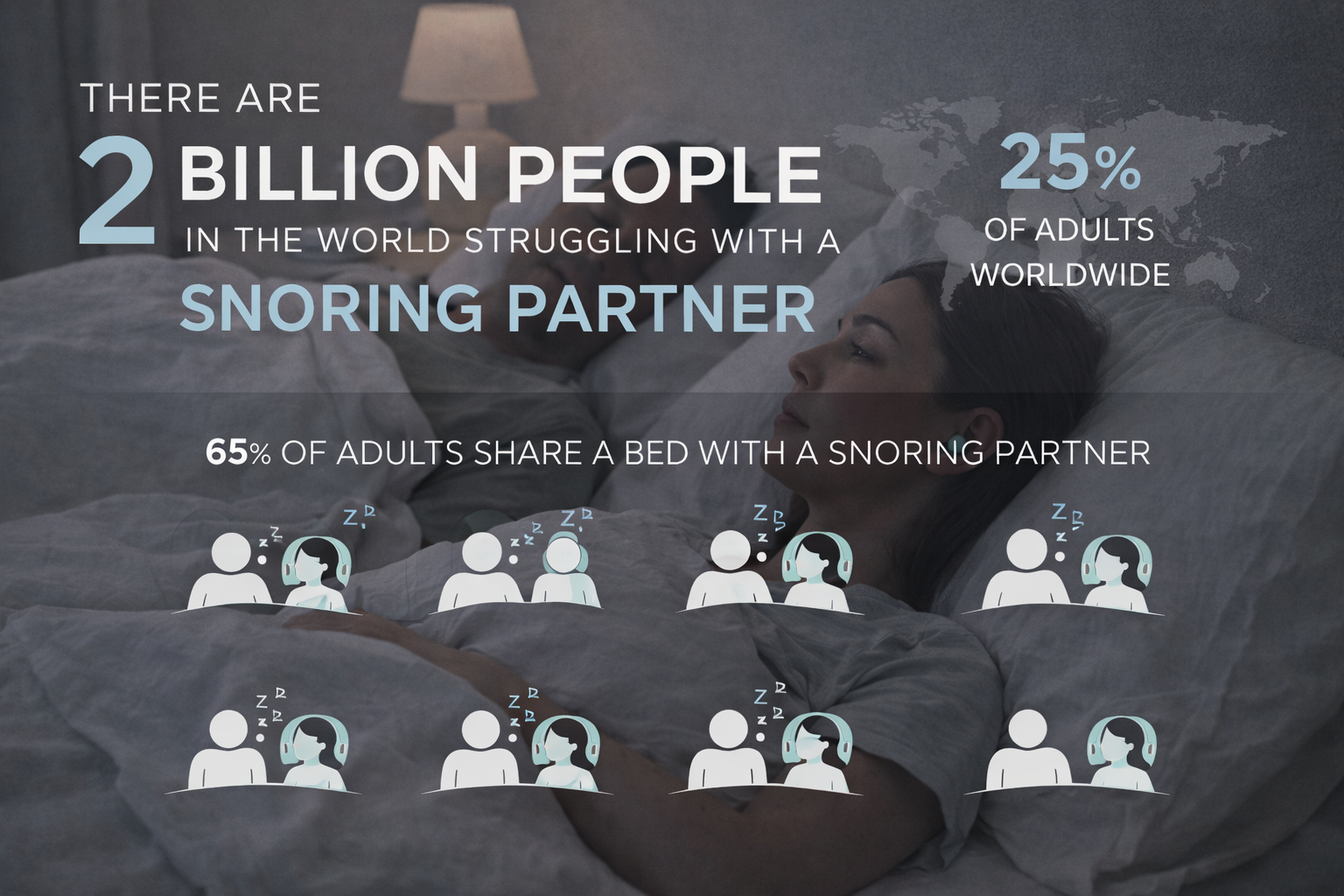
If that is your nightly routine, you are far from the only one.
Sleeping next to a snoring partner is one of the most common reasons people deal with broken sleep. And what makes it tricky is that it often starts small. It does not feel like some huge crisis. It just feels like an annoying little interruption. Then it keeps happening. You start falling asleep later. You wake up more during the night. Morning comes, and you feel less rested than you should.
The upside is that you usually do not need some dramatic fix. A few practical changes can go a long way. The trick is choosing solutions you can actually live with, not complicated ideas that sound smart but never make it into your real routine.
In this guide, we will go through how to sleep next to a snoring partner without losing rest, why the problem feels so draining, what actually helps, and how to make your sleep setup feel quieter and easier to live with.
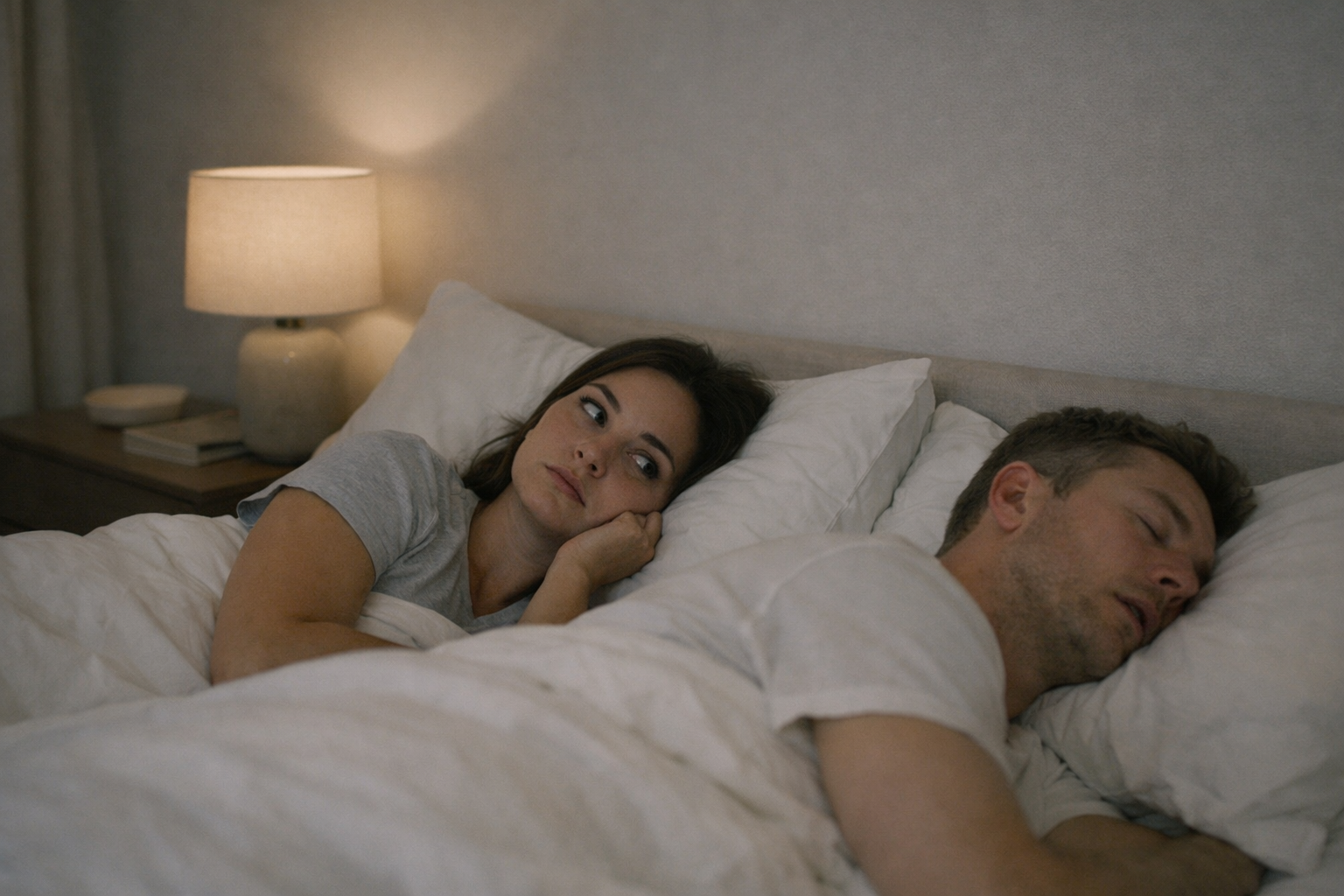
Why Snoring Feels So Disruptive
Snoring is not the same as ordinary background noise. That is why it gets under your skin so fast.
A fan, air purifier, or soft rain sound tends to fade into the background because it stays pretty steady. Snoring does the opposite. It changes. It gets louder, then softer. It stops for a second, then comes back. Sometimes it sounds close, sometimes sharper. Your brain keeps noticing it because it is not predictable.
Even if you do not fully wake up each time, your sleep can still take a hit. You may move into lighter sleep, toss around more, or wake up feeling like you slept enough when you clearly did not.
That is what makes snoring so exhausting. It is not always one huge noise. It is the constant interruption.
Can You Really Sleep Next to a Snoring Partner?
Yes, you can. But for most people, it does not happen by pretending the noise is no big deal and hoping you eventually get used to it.
Some people are naturally heavier sleepers. Most are not. If you sleep lightly, snoring usually needs to be managed in some way. The goal is not to force yourself to tolerate every sound. The goal is to lower the amount of noise reaching you and make your sleep less easy to break.
That usually means mixing a few simple strategies, like:
- Changing part of the room setup
- Reducing how sharply the sound reaches you
- Adding steady background noise
- Using soft, comfortable earplugs
- Building a bedtime routine that helps you fall asleep before the frustration kicks in
You do not need a perfect system. You need one that feels realistic enough to keep using.
The Best Ways to Sleep Next to a Snoring Partner
Here is the practical part. If you want better sleep without turning bedtime into a nightly fight, these are the best places to start.
1. Reduce the Noise at Your Ears, Not Just in the Room
This is the shift that helps most people.
A lot of people try to fix snoring by changing the whole room. They buy machines, swap pillows, move things around, close windows, or play sleep sounds across the room. Some of that helps. But often the real issue is simpler: the sound is still reaching your ears.
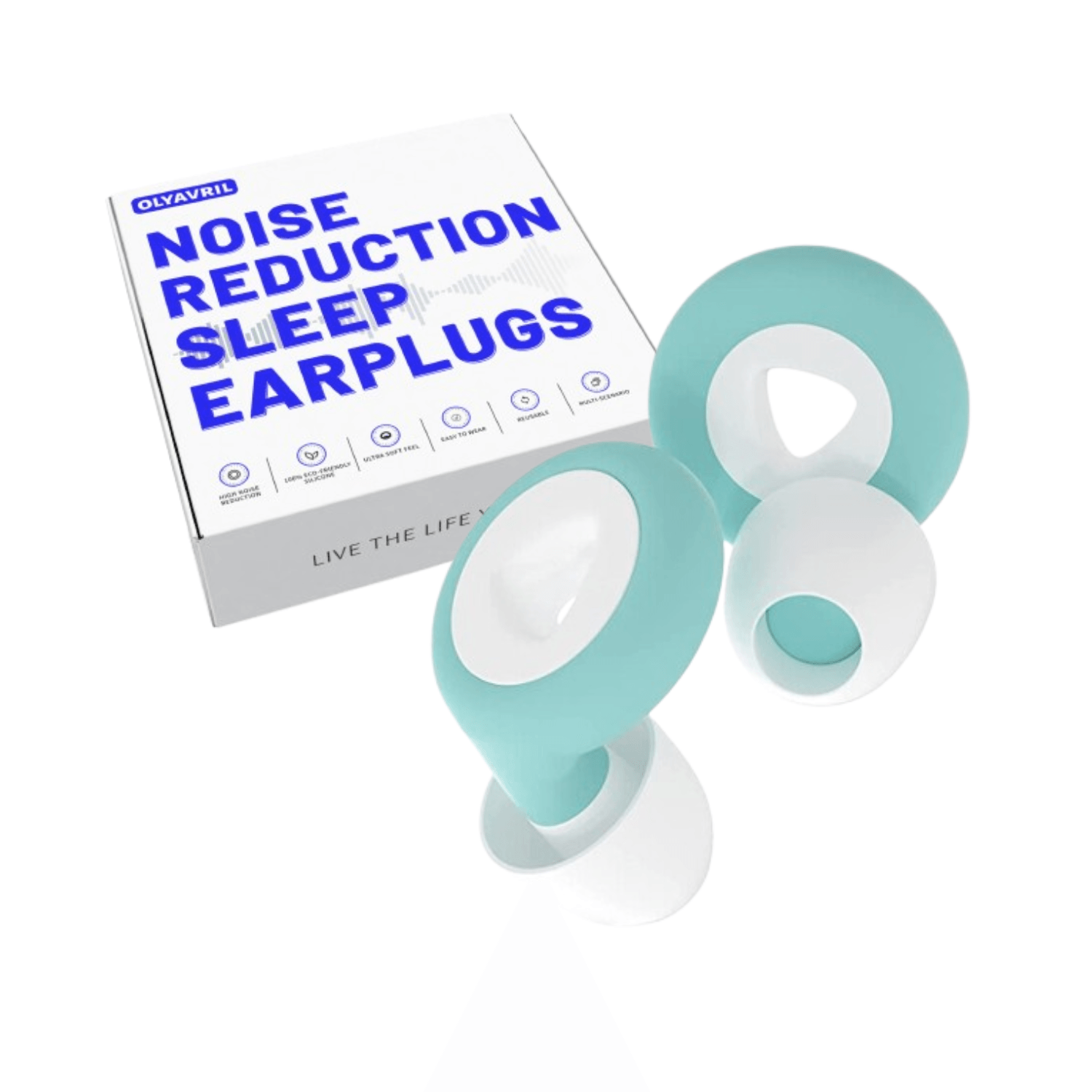
That is why noise-reducing earplugs are one of the easiest and most effective solutions.
A good pair of noise-reducing earplugs can soften snoring enough that your body stops reacting to every change in sound. You do not need perfect silence. You just need less impact, so your sleep is not constantly getting interrupted.
What matters most in sleep earplugs?
- Soft material
- A comfortable fit
- Low pressure in the ear
- Easy long wear
- Reusable design
- Reliable noise reduction
If earplugs feel hard, bulky, or painful, you probably will not keep wearing them. Comfort matters just as much as sound reduction, especially if you sleep on your side or wear them all night.
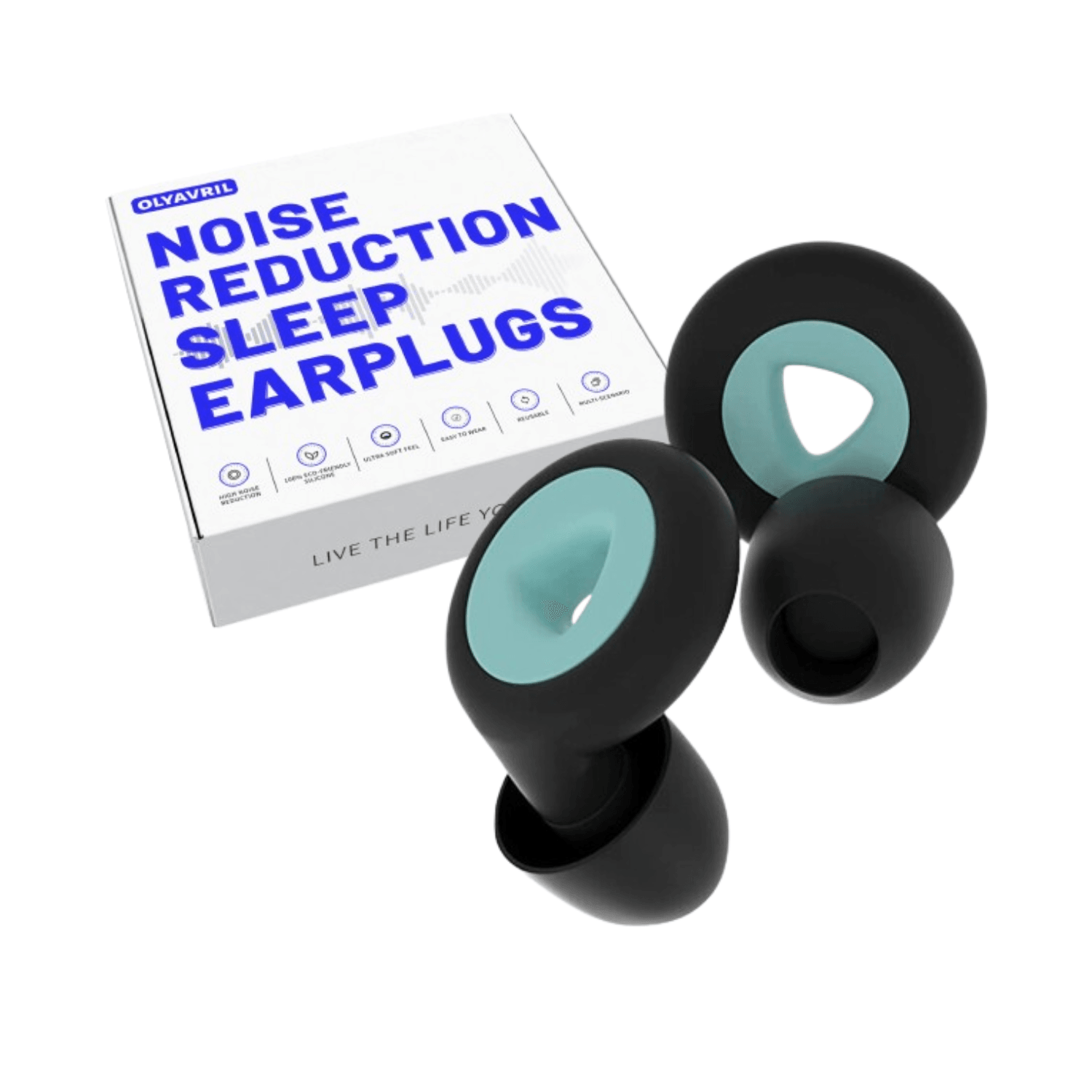
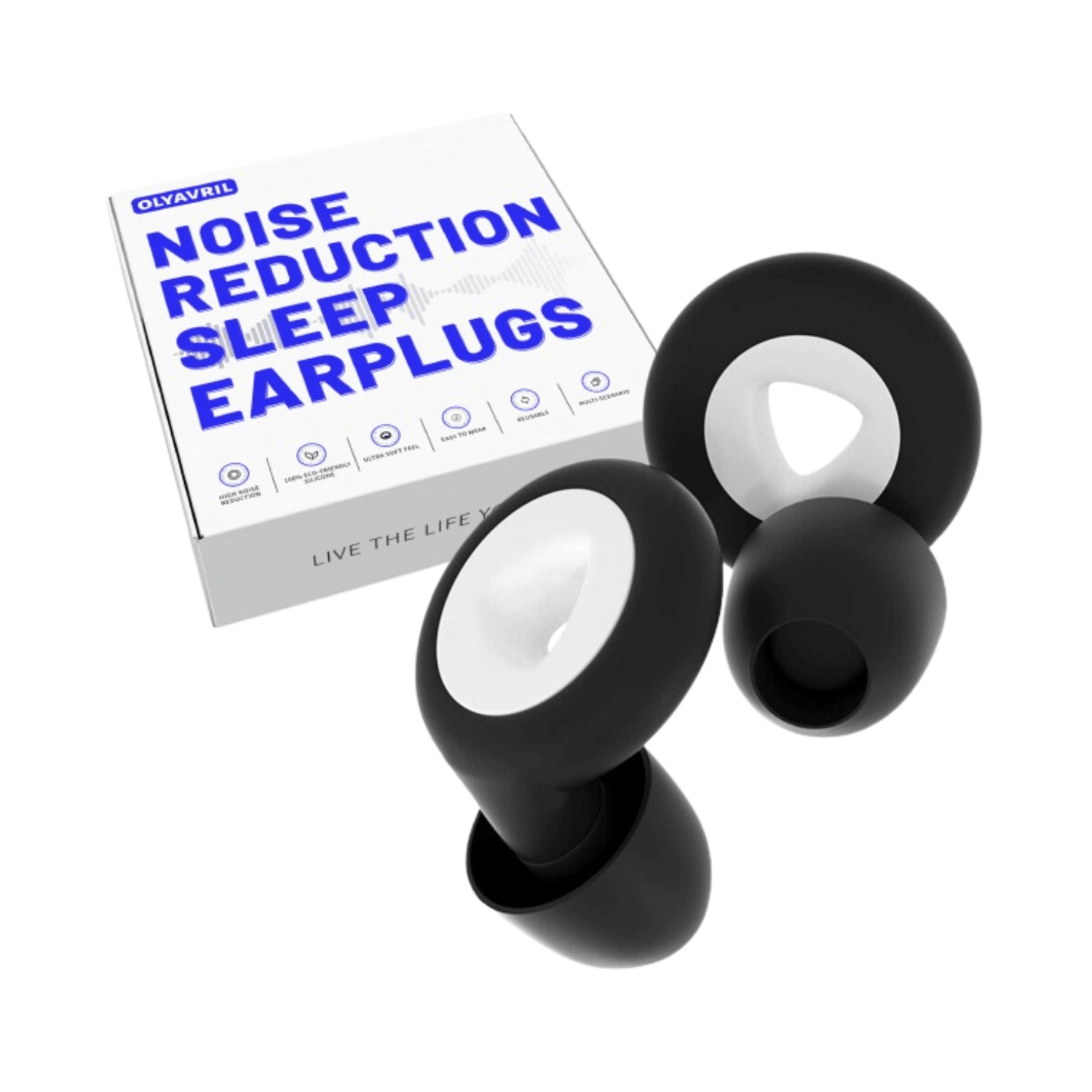
If you want a soft, reusable option designed for everyday comfort, explore the Olyavril earplugs.
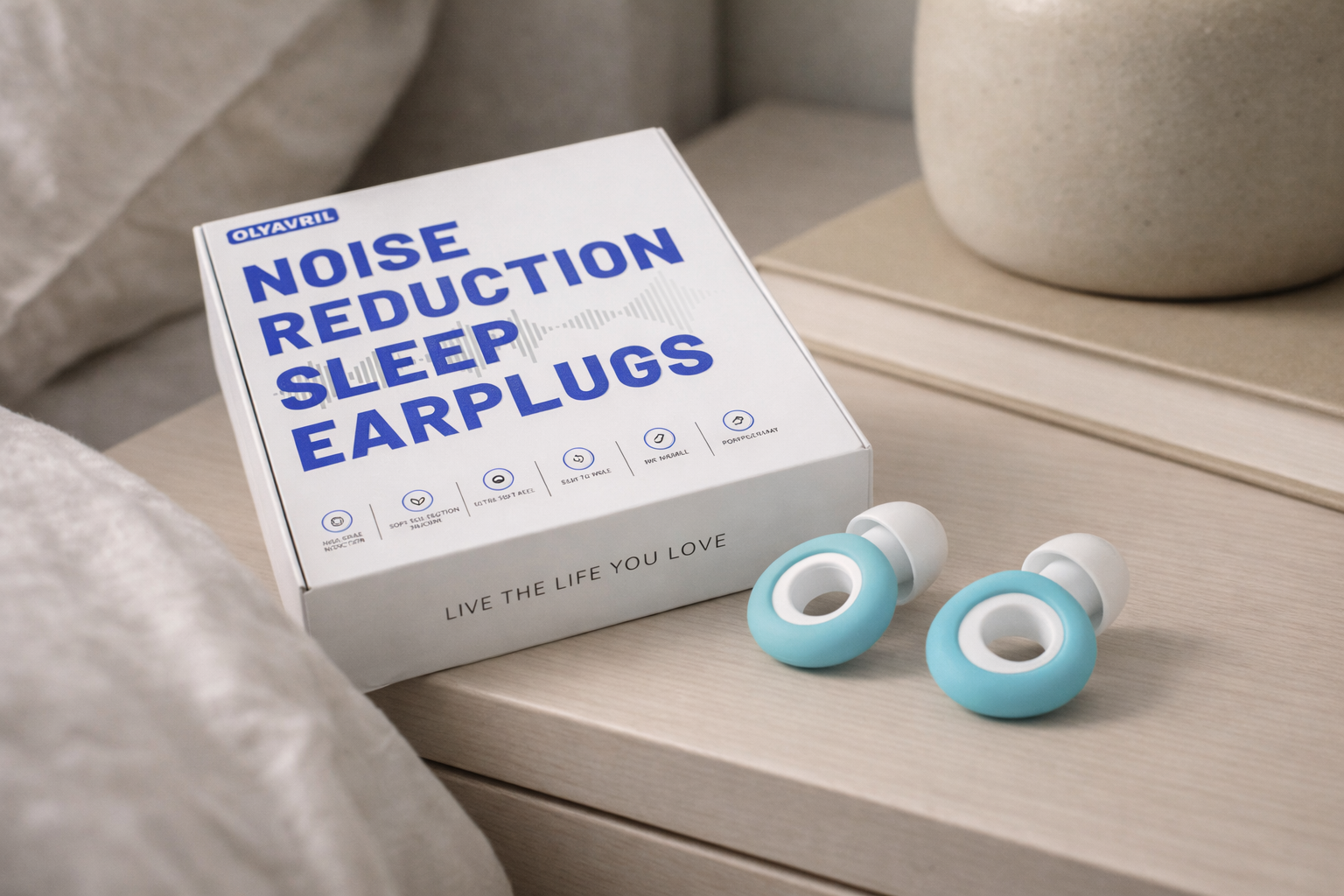
2. Add a Layer of Consistent Background Sound
This might sound a little counterintuitive, but steady background sound can make snoring less noticeable.
Your brain handles predictable sound much better than irregular sound. A white noise machine, a fan, or soft ambient audio can help smooth out the room so each snore stands out less.
This usually works best when you pair it with earplugs. The earplugs take the edge off the snoring, and the background sound fills in the gaps that make the snoring feel so sharp and obvious.
Good options include:
- White noise
- Brown noise
- A fan
- Rain sounds
- Soft neutral sleep audio
Try not to pick anything too dramatic or melodic. You want something steady, not something your brain starts following.
3. Fall Asleep Before the Frustration Builds
One of the hardest parts of sleeping next to a snoring partner is the mental spiral. You lie there listening. Then you get annoyed. Then your body wakes up even more. Then sleep feels farther away. Then every sound seems louder than it did five minutes ago.
That is why your pre-sleep routine matters more than most people expect.
If you can help yourself fall asleep faster, you spend less time noticing the snoring and reacting to it. Even a simple 20-minute wind-down helps.
Try:
- Dimming the lights earlier
- Putting your phone away
- Keeping the room cool
- Putting in earplugs before the snoring starts bothering you
- Going to bed before you are overtired
Small routines make it easier for your brain to shift into sleep mode. And when that happens, you are less likely to get stuck in that frustrated, wide-awake state.
4. Talk About It Gently, Not at 2 A.M.
This may not sound like a sleep tip, but it matters.
A lot of couples only talk about snoring in the middle of the night, when one person is already exhausted and angry. That usually goes badly. One person feels blamed. The other feels defensive. Nothing really changes.
A better time to bring it up is during the day, when nobody is half asleep and irritated.
Keep it simple. Talk about what is happening, not what is wrong with them.
For example:
- “I’ve been waking up a lot at night, and I think the snoring is part of it.”
- “I want us both to sleep better. Can we try a few things?”
- “I’m not trying to make this a big issue. I just want something practical that helps.”
That keeps the conversation calmer and easier to work with.
5. Encourage Position Changes if They Help
For some people, snoring gets worse when they sleep on their back. Sleeping on the side can sometimes reduce it. It is not a guaranteed fix, but it is worth noticing.
You do not need to manage your partner’s sleep like a project. Just pay attention to whether certain positions make the sound better or worse. If they do, a different pillow or a small shift in position may help more than you expect.
It is one of the easiest things to test.
6. Create More Distance If the Room Allows It
Even a small amount of distance can change how strong the snoring sounds.
If your room gives you any flexibility, try:
- Adding a little more space between pillows
- Slightly adjusting the bed position
- Sleeping on the side of the bed farther from the main noise source
- Using the quieter side of the room if one side feels more insulated
This is not always possible, of course. But if it is, it is worth trying. Sound changes with distance, and sometimes small changes make the room feel noticeably easier to sleep in.
7. Pay Attention to What Already Makes You a Light Sleeper
Sometimes snoring is the trigger, but not the whole reason sleep falls apart.
If you are already sleeping lightly because of stress, caffeine, screens, or a messy bedtime routine, snoring usually hits harder. That does not mean the problem is your fault. It just means your sleep is already more fragile.
Ask yourself:
- Am I going to bed overstimulated?
- Am I having caffeine too late?
- Am I stressed when I get into bed?
- Is the room too warm, too bright, or just uncomfortable?
The better your sleep is overall, the more resilient you usually are to outside noise.
What Usually Does Not Work Very Well
It helps to know what sounds reasonable but often fails in real life.
“I’ll just try to ignore it.”
This works for very few people long term, especially if you are a light sleeper. Snoring is too irregular.
Uncomfortable earplugs
If they hurt, fall out, or feel too hard, you will stop using them. The best earplugs are the ones you can wear for hours without thinking about them much.
Turning the sound up too much
White noise helps, but the goal is gentle masking, not blasting audio all night.
Going to bed already annoyed
Being frustrated makes it harder to fall asleep. You do not have to pretend you are fine, but you do want a routine that brings the tension down a little before bed.
Sleeping separately right away without trying smaller fixes
For some couples, separate sleep setups do end up being the best answer. But plenty of people can improve things a lot with simpler changes first.
What to Look for in Earplugs for Snoring
If you are choosing earplugs specifically for sleeping next to a snoring partner, comfort should be near the top of the list.
People tend to focus on noise reduction alone. That makes sense, but it is not enough. A product can reduce sound well and still be annoying to wear. If that happens, it usually ends up forgotten in a drawer.
Look for earplugs that offer:
- Noticeable noise reduction
- Soft, skin-friendly materials
- Easy insertion and removal
- A shape that feels gentle over long wear
- Reusability for daily use
- A fit that works beyond bedtime too
Soft silicone earplugs are often a strong option because they balance comfort and practicality. They can feel gentler than harsher materials, especially if you want something you can use not just for sleep, but also for study, work, travel, or other noisy parts of the day.
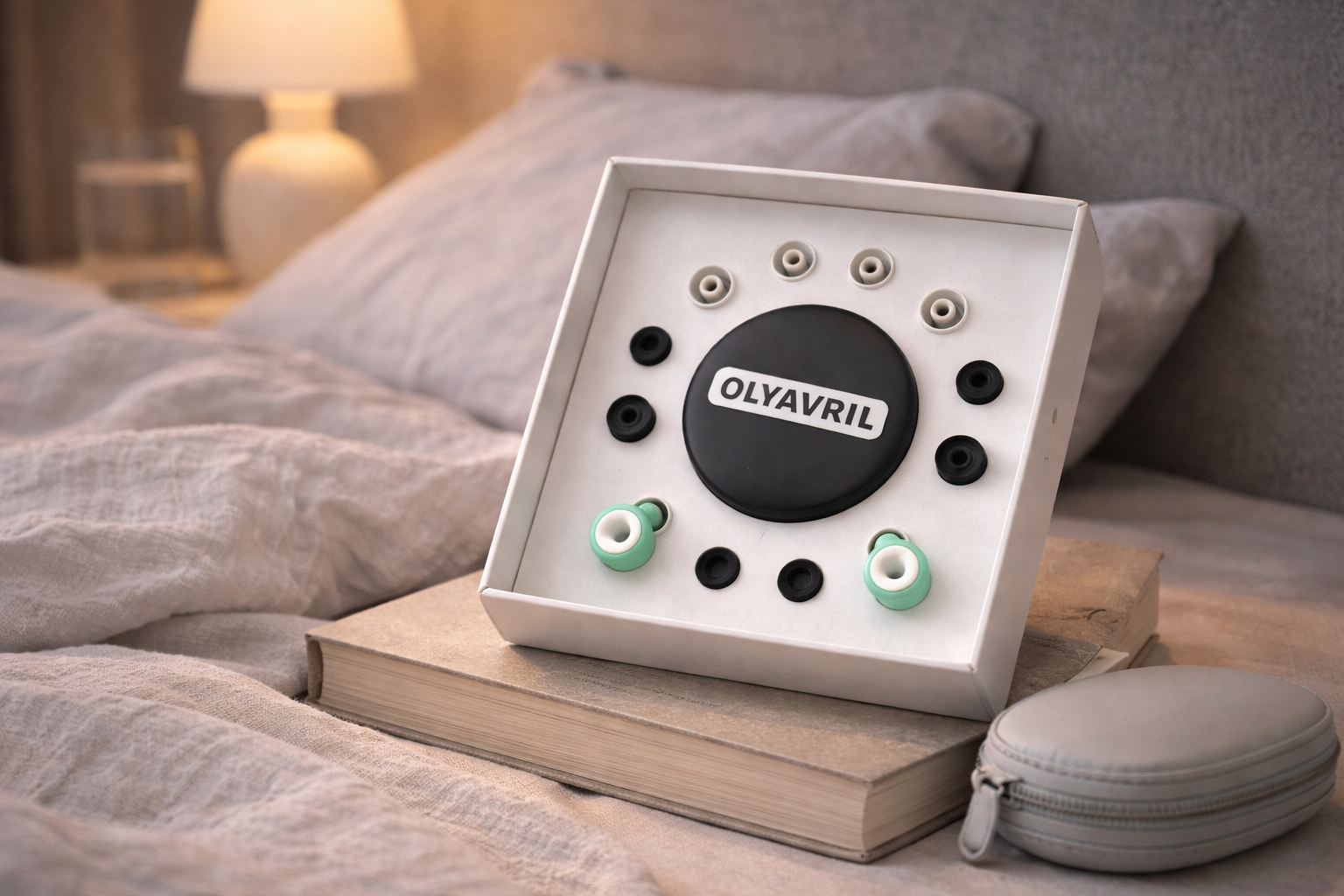
Why Comfort Matters More Than People Think
Say you find a pair of earplugs that blocks a lot of noise, but your ears start hurting after an hour. That is not a real solution.
The real question is whether you can wear them for as long as you need to. If you are sleeping, that may be six to eight hours. If you are studying or working, maybe less, but still long enough that material, pressure, and fit matter.
A good pair should feel light, soft, and easy to forget once it is in.
That “I barely notice them” feeling is what most people are actually looking for.
Are Reusable Earplugs Better Than Disposable Ones?
For a lot of people, yes.
Reusable earplugs tend to make more sense for everyday life because they are:
- More sustainable
- Easier to build into a routine
- Often more comfortable in well-designed versions
- More cost-effective over time
Disposable earplugs still have their place, but if snoring is a regular issue in your life, a reusable pair often feels more practical and less wasteful.
If you are wearing earplugs night after night, it usually makes sense to choose a pair made for repeat use.
A Simple Sleep Setup That Actually Works
If all of this feels like a lot, start here tonight:
1. Use soft noise-reducing earplugs before bed.
2. Add gentle white noise or a fan.
3. Dim the lights 20 to 30 minutes before sleep.
4. Keep the room cool and comfortable.
5. Go to bed before you get too wired or overtired.
6. If it helps, encourage a sleep position that reduces snoring.
That is enough to start.
You do not need an elaborate sleep system. You just need a setup that lowers the odds of being pulled out of sleep again and again.
When the Problem Might Be Bigger Than Snoring
Sometimes snoring is not just snoring. If it is very loud, highly irregular, or comes with choking, gasping, or noticeable pauses in breathing, it may be worth encouraging your partner to talk to a healthcare professional.
That is not about blame. It is about health.
A lot of snoring is harmless. Some of it is not. If something seems off, it is worth taking seriously.
The Emotional Side of It
It is completely normal to feel frustrated when you are trying to sleep next to snoring.
A lot of people feel guilty saying that out loud because they love the person beside them. But poor sleep affects everything. Your mood, patience, focus, energy, and relationship all take a hit when you are not resting well. Wanting better sleep is not selfish.
A more helpful question is not, “How do I stop being annoyed?” It is, “How do we make this easier to live with?”
That shift helps. It makes the problem feel more practical and less personal.
The Best Long-Term Approach
If you want this to improve for real, think in layers.
Do not put all your hope in one magic fix. Build a setup that supports sleep from a few different angles.
A good long-term approach usually includes:
- Comfortable earplugs
- Light sound masking
- A calmer bedtime routine
- Better awareness of sleep position
- Honest, low-pressure communication
That tends to work better than chasing one perfect answer.
Final Thoughts
Sleeping next to a snoring partner can be exhausting, but it does not have to stay that way. You do not need to completely change your life, and you do not need to accept broken sleep as normal. Often, the biggest difference comes from a few simple changes that reduce how much the noise affects you and make your sleep less fragile.
If snoring is a regular problem in your life, start with what feels simple and sustainable. Focus on comfort, consistency, and habits you can actually keep. For a lot of people, that means soft, reusable noise-reducing earplugs, a calmer room, and a bedtime routine that makes it easier to fall asleep before the frustration takes over.
The goal is not perfect silence. It is better rest.
And sometimes a little less noise really does change the whole night.
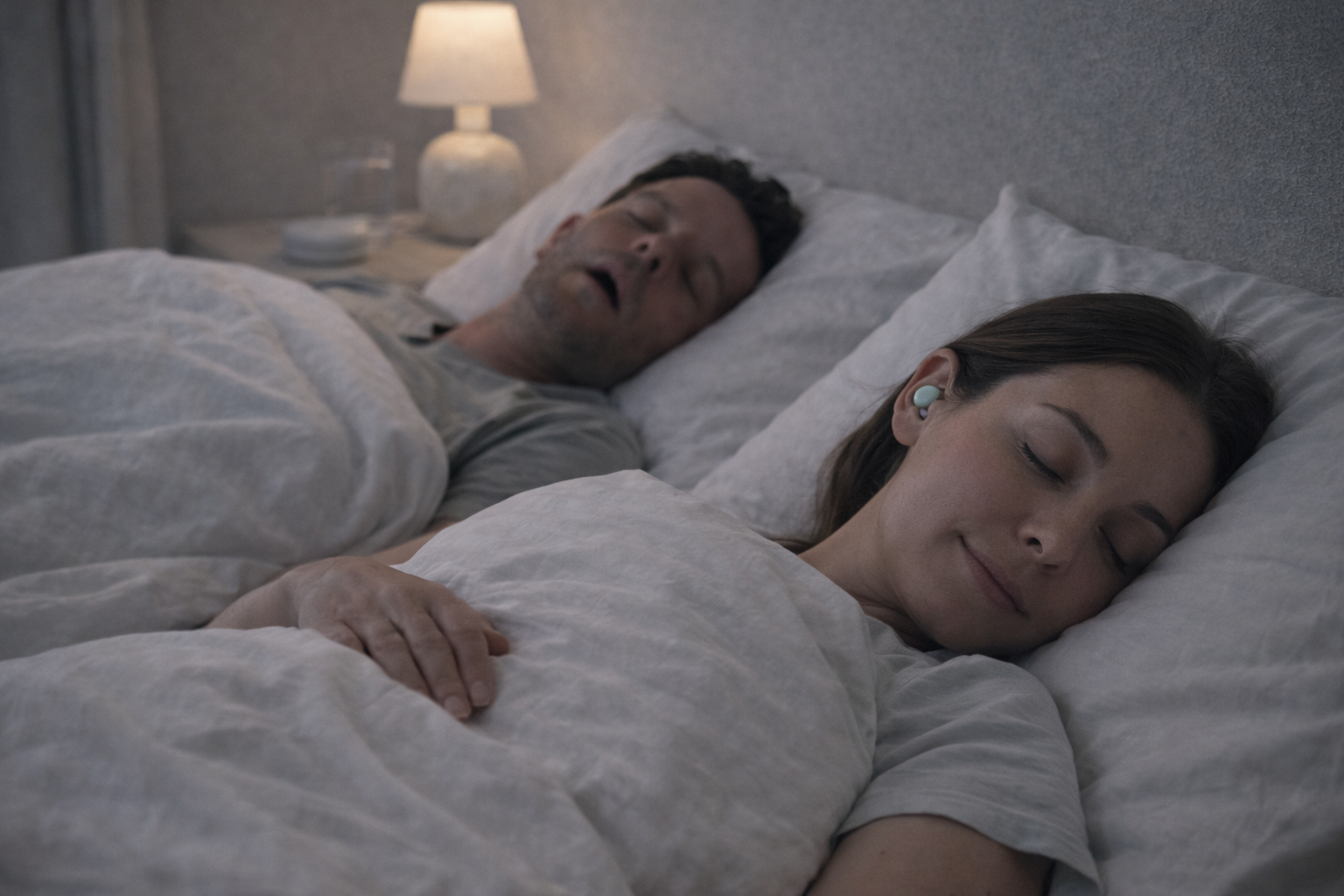
If you are looking for a simple way to reduce nighttime noise, discover the Olyavril noise-reducing earplugs.
Quick Answers
How can I sleep with a partner who snores?
The most effective approach is to reduce the sound reaching your ears, usually with soft noise-reducing earplugs, and combine that with a calmer sleep setup, like white noise, a cool room, and a simple bedtime routine.
Do earplugs help with snoring?
Yes. Earplugs can reduce the impact of snoring by softening the sound and making it less disruptive. The best ones are comfortable enough to wear for hours without pain or pressure.
What kind of earplugs are best for sleeping next to snoring?
Look for earplugs that are soft, easy to wear, reusable, and comfortable over long periods. If they feel too hard or annoying to wear, you probably will not stick with them.
Is it normal to feel irritated by a snoring partner?
Yes. Broken sleep affects mood and patience. Feeling frustrated does not mean you are overreacting. It usually means your sleep is getting interrupted too often.
Can white noise help block snoring?
It can help mask the uneven pattern of snoring, especially when used along with earplugs.